When you plan a concrete project, the ground underneath decides whether the structure lasts decades or cracks early. That’s where grading in concrete becomes critical. Proper grading shapes the land, controls drainage, and stabilizes the base so your concrete installation performs reliably instead of creating expensive repairs later.
Why Proper Ground Preparation Shapes Every Concrete Project
If you think concrete success begins when the truck arrives, think again. Long before pouring starts, grading in concrete determines slope, stability, and drainage behavior. Working with professional grading specialists ensures your site is shaped precisely so the slab, driveway, or foundation performs exactly the way you expect.
1. Residential Site Preparation That Sets the Stage
When you build or renovate a home, the ground around it must support more than just concrete—it must support daily life. Professional contractors approach grading in concrete by shaping the land to control water flow, prevent soil shifting, and prepare smooth surfaces for driveways, patios, and walkways.
Experts usually focus on practical details such as:
- New home site preparation: Elevations are carefully measured so your future slab sits exactly where engineering plans require.
- Driveway and walkway grading: Proper slopes prevent rainwater from pooling on finished concrete surfaces.
- Landscape contouring: Lawns and gardens are shaped so water drains naturally instead of collecting.
- Foundation perimeter grading: Soil slopes away from structures to prevent long-term moisture damage.
With professional planning, you avoid uneven slabs, drainage problems, and foundation risks later.
2. Commercial Projects Require Strategic Site Development
Commercial properties involve scale and complexity that make professional grading even more important. Parking lots, office complexes, and retail developments depend on precise grading in concrete to support traffic loads and manage stormwater efficiently.
Specialists plan grading carefully through:
- Parking lot slope planning for controlled water runoff.
- Stormwater integration with drainage systems and channels.
- Loading dock leveling to ensure smooth truck access.
- Multi-building site coordination across larger developments.
Instead of simple ground leveling, professionals treat grading as the structural groundwork supporting the entire project.
3. Preparing the Perfect Base for Concrete Installations
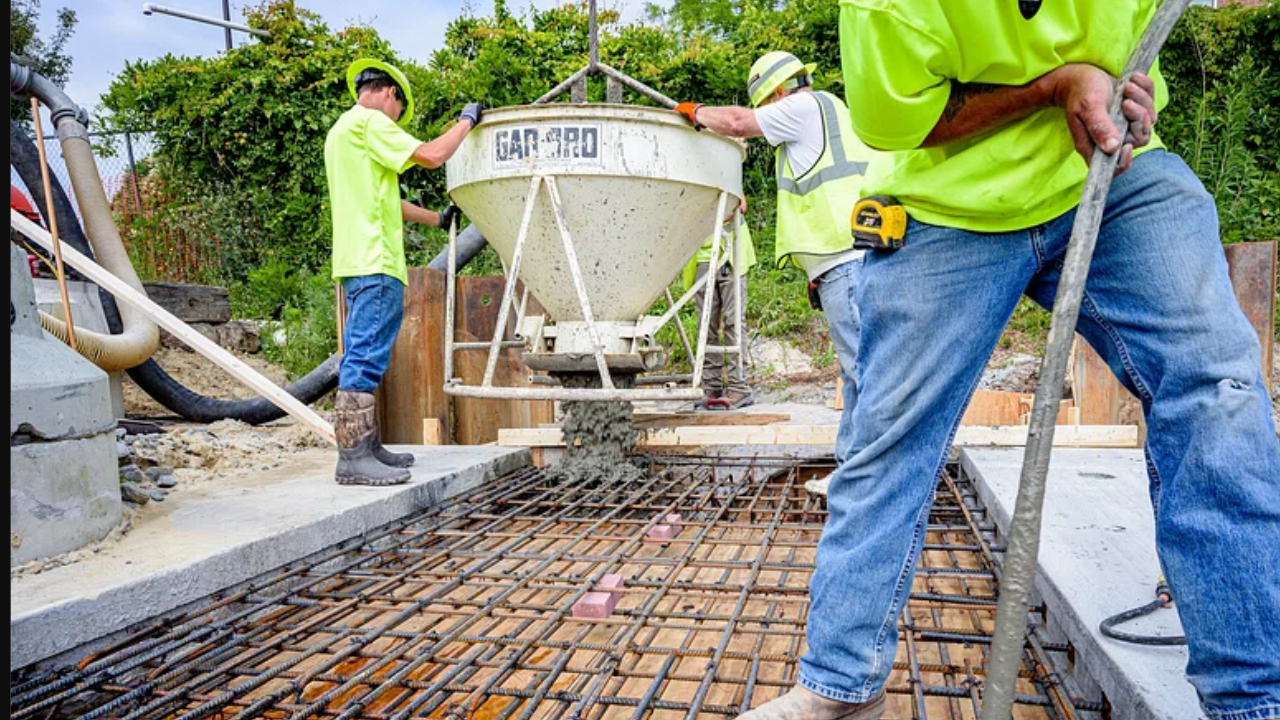
Before a slab or flatwork is poured, contractors must shape and compact the soil precisely. This is where specialized grading in concrete services focuses on building a stable base that can carry weight without shifting.
During this stage, experienced teams typically:
- Level the subgrade so the concrete thickness stays consistent.
- Compact soil layers to prevent settling under slabs.
- Adjust slopes to guide water away from structures.
- Prepare foundations, patios, driveways, and sidewalks accurately.
You may never see this layer once concrete covers it, but it plays a major role in determining durability.
4. The Fine Grading Process Professionals Follow
Reliable contractors approach grading in concrete through a structured fine-grading process designed for accuracy and durability.
Typical steps include the following:
- Site surveying: Identifying elevation points and drainage patterns.
- Rough grade verification: Correcting large elevation differences early.
- Precision equipment use: Laser-guided machinery shapes the soil accurately.
- Multiple grading passes: Contractors repeatedly verify slope measurements.
- Soil compaction: Proper density prevents future sinking.
These steps ensure the ground meets engineering standards before construction begins.
5. Why Partnering With Expert Grading Contractors Matters
Many people assume grading simply means moving soil, but professionals understand the science behind grading in concrete. They combine engineering plans, drainage knowledge, and specialized tools to shape the land correctly.
Working with expert services gives you:
- Accurate elevation control aligned with building plans.
- Better drainage that protects concrete from damage.
- Faster construction timelines without costly corrections.
- Long-term structural stability for slabs and foundations.
Partnering with experienced contractors ensures the ground beneath your concrete is prepared with precision, giving your project the strength and reliability it needs.
One Of The Best Services for Grading in Concrete
1. Understand What Grading Really Means Before Any Concrete Work Begins
When you plan a concrete project, the success of everything above the ground depends on what happens below it. Proper site preparation ensures the land is shaped, leveled, and compacted so your concrete installation stays durable for years. This is where grading in concrete becomes essential.
According to a source, there is a pronounced aggregate-gradation effect on triaxial compressive behaviors, and concrete mixes with larger aggregates usually have higher compressive strength, especially under conditions of higher confinement. The normalized peak strength can increase by up to 23.49%.
Instead of simply moving soil around, professionals carefully evaluate elevation levels, drainage patterns, and soil stability. By partnering with experienced specialists like Concrete and Excavating Inc., you make sure the ground is prepared with accuracy before a single drop of concrete is poured.
2. Why Ground Preparation Determines Long-Term Concrete Performance
Many property owners assume the concrete pour is the most important step, but preparation actually determines how well the slab performs over time. Without proper ground shaping, water can collect under surfaces, soil can shift, and concrete may crack earlier than expected.
Reliable contractors focus on grading in concrete to control slopes, improve soil stability, and guide water away from finished structures. With the right grading approach, your driveway, foundation, or patio gains the structural support it needs to remain strong and visually appealing.
3. Residential Projects Benefit from Professional Grading Expertise
If you’re preparing land for a new home, driveway, patio, or walkway, the land must be carefully shaped to support everyday use. Skilled teams analyze the natural slope of your property and adjust it to prevent standing water or soil movement. Professionals often handle tasks such as the following:
- Measuring elevation points for accurate site preparation.
- Creating proper slopes around driveways and walkways.
- Contouring landscape areas to guide water naturally.
- Preparing the foundation surroundings to prevent moisture buildup.
Companies like Concrete and Excavating Inc. approach grading in concrete with precision, ensuring every residential project starts with a stable base that supports long-term durability.
4. Commercial Projects Require Even More Precision and Planning
Larger commercial developments bring additional challenges. Parking lots, office complexes, and retail centers must support heavy traffic while also managing stormwater effectively.
Experienced contractors plan the entire site layout so that grading supports both functionality and safety. Typical commercial grading preparation includes:
- Designing slopes that guide water toward drainage systems.
- Preparing parking lot surfaces for heavy vehicle loads.
- Leveling loading docks for smooth truck access.
- Coordinating grading across multi-building developments.
By working with professionals who specialize in grading in concrete, developers reduce the risk of drainage failures, uneven surfaces, and costly repairs later.
5. Building a Strong Base Before Concrete Is Installed
One of the most important stages of any concrete project is preparing the subgrade beneath the slab. This layer must be stable, compacted, and precisely leveled so the finished surface remains even and structurally sound.
Skilled contractors typically perform several key steps:
- Leveling the soil to maintain a consistent concrete thickness.
- Compacting soil layers to prevent settling.
- Adjusting slopes to direct water away from structures.
- Preparing surfaces for patios, foundations, sidewalks, and slabs.
This preparation work might not be visible once the concrete is poured, but it directly influences durability and performance.
6. Why Partnering With a Trusted Grading Contractor Makes a Difference
Not all contractors treat site preparation with the same level of care. Experienced companies combine advanced equipment, engineering knowledge, and field expertise to shape the land correctly before construction begins.
By partnering with Concrete and Excavating Inc. for grading in concrete, you gain professionals who understand elevation control, soil behavior, and drainage planning. This expertise helps you avoid delays, reduce future maintenance costs, and ensure your concrete structures perform exactly as intended.
Frequently Asked Questions
Q1. Why is grading important before pouring concrete for residential or commercial projects?
Answer:Grading prepares the ground by leveling and compacting soil, controlling drainage, and preventing shifting. This creates a stable base that helps concrete surfaces remain strong and crack-resistant.
Q2. How long does the concrete grading process typically take before installation begins?
Answer:The timeline depends on project size, soil conditions, and drainage requirements. Most residential grading projects take one to three days before the concrete installation stage begins.
Q3. Can poor grading cause damage to concrete driveways, patios, or building foundations?
Answer:Yes, improper grading may cause water pooling, soil erosion, or ground movement. Over time, these issues can lead to cracks, uneven slabs, drainage problems, and costly structural repairs.
To Wrap Things Up
Ready to achieve flawless grading in concrete for your next project? Concrete and Excavating Inc. delivers precision, durability, and dependable results every time. Don’t leave your foundation to chance—partner with professionals who get it right the first time. Contact Concrete and Excavating Inc. today and take the first confident step toward a perfectly graded surface.