Before hiring an excavation contractor in Denver or Loveland, know what the job includes and how your site will be protected. What are excavation services? They include site clearing, digging, grading, and utility trenching.
In this guide, we cover seven questions to ask about scope, licensing, utility locations, trench safety, subgrade preparation, pricing, and project coordination before you sign a contract.
What Guides These Seven Questions
Each question ties to a regulation, a cost driver, or a safety duty that you can verify.
The list draws on OSHA excavation rules, Colorado 811 requirements, and Denver licensing. Every question has an answer that a contractor can put in writing.
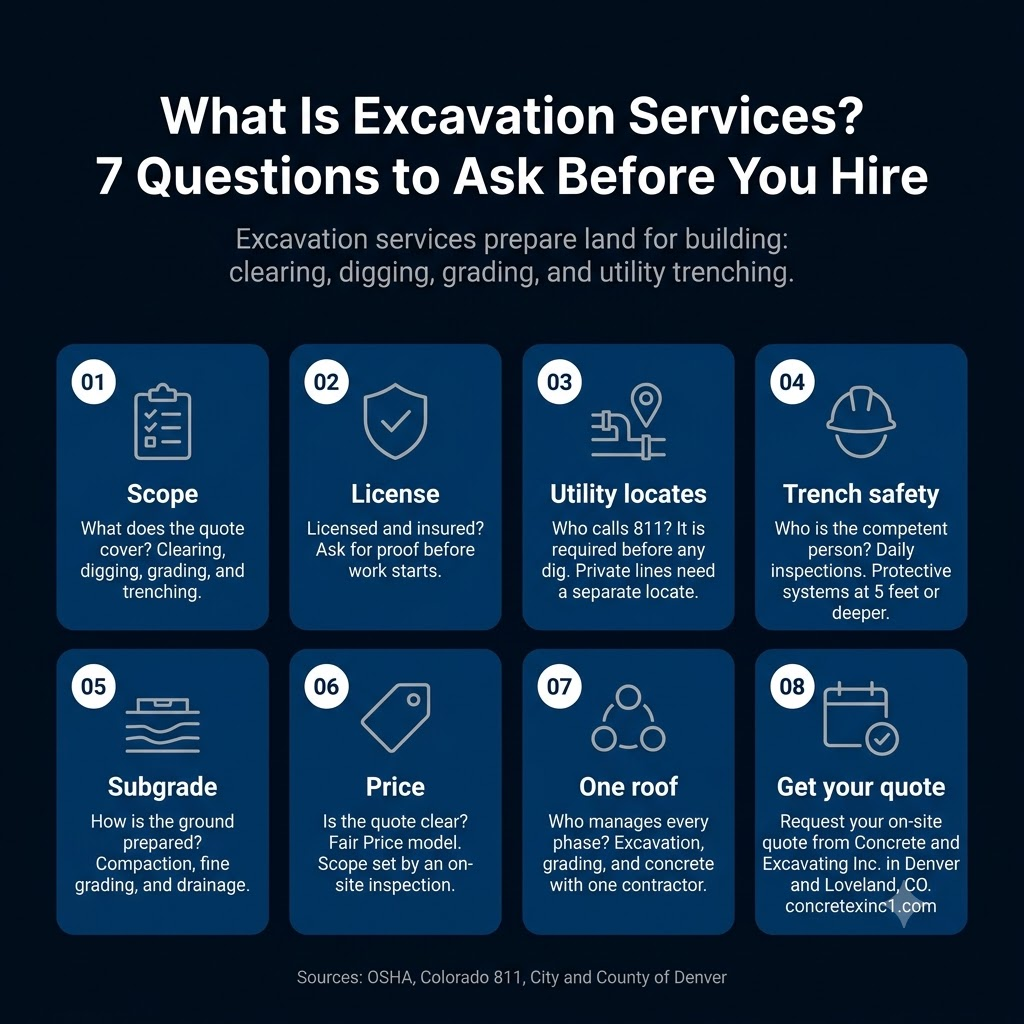
1. What Is the Excavation Services Scope, and What Does Concrete and Excavating Inc. Include?
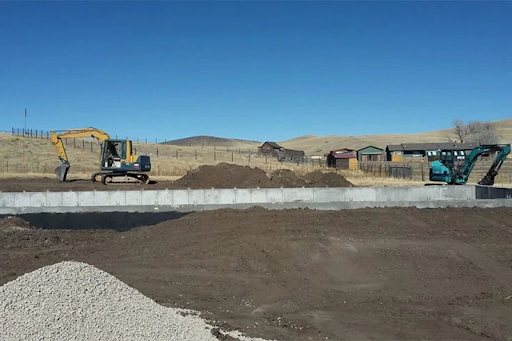
Excavation services are the digging, clearing, and grading work that prepares land for construction. They include land clearing, topsoil stripping, rock excavation, basement and crawl space digging, footing trenches, rough and fine grading, drainage work, and utility trenching.
The scope sets what a quote must cover, so get every item in writing.
What it is and what it does
Concrete and Excavating Inc. lists these services across Denver and Loveland, from foundation excavation to French drain installation. Each service connects to the concrete work that follows, so one scope covers the whole site.
Best for
Homeowners and builders who need to compare quotes line by line.
One honest limitation or trade-off
Scope changes with the site, so a contractor can fix a price only after an on-site inspection.
2. Is the Contractor Licensed and Insured for Your Job?
Ask for proof of license and insurance before any crew arrives on your site.
What it is and what it does
Concrete and Excavating Inc. is fully licensed and insured. Request the same proof from every contractor on your list.
Best for
Property managers and HOA boards that must keep documentation on file.
One honest limitation or trade-off
Licensing depends on where the work happens.
Denver requires an excavation contractor license for excavation in public streets, alleys, and other public property, and applicants need five years of verifiable experience, a bond, and insurance, according to the City and County of Denver.
Confirm which license your project needs.
3. Who Confirms Utility Locates Before Digging Starts?
Ask who confirms utility locates, because skipping that step risks a strike on a buried line.
What it is and what it does
Under the Colorado 811 Law, all individuals and entities digging in the state must contact 811 before starting any excavation, whether they dig deep or only a few inches.
The party doing the excavation submits the locate request in its own name, and the excavator must have private lines located separately, according to the Colorado 811. Ask your contractor who arranges that private location.
Concrete and Excavating Inc. coordinates with utility companies to locate lines before trenching. That covers water, sewer, electrical, and telecommunications lines.
“Every year, damages to public underground utility lines cost the U.S. billions, mainly because 811 was not contacted first,” says Claudia Randall, Executive Director of Colorado 811.
Best for
Owners and builders who dig near buried water, sewer, electrical, or telecommunications lines.
One honest limitation or trade-off
Private locates add a separate step with a separate firm, so confirm who books it before work starts.
4. Who Is the Competent Person, and How Are Trenches Protected?
Ask for the name of the competent person who inspects your excavation.
What it is and what it does
Workers in trenches or excavations five feet or greater in depth risk being crushed by a cave-in without protective systems.
A competent person must inspect the excavation, adjacent areas, and protective systems daily at the start of the shift, after a rainstorm, and after any other hazard-increasing event, according to the OSHA.
That person has authority to evacuate workers from the excavation immediately.
Best for
Builders and contractors who carry site liability.
One honest limitation or trade-off
The competent person evaluates soil conditions and selects the protective system, so crews confirm the right choice on site and do not quote one answer for every job.
5. How Will the Subgrade Be Prepared for Concrete?
Subgrade preparation shapes how the finished concrete performs, so ask how the ground will be prepared.
What it is and what it does
Concrete and Excavating Inc. compacts soil in lifts, completes rough and fine grading, and installs drainage such as French drains and swales. Fine grading relies on laser-guided equipment and GPS to check elevations against engineering plans.
Best for
Owners who plan foundations, driveways, or slabs.
One honest limitation or trade-off
Compaction and grading checks happen before the pour, so build them into your timeline.
6. Is the Quote Fixed, and What Could Change the Price?
A clear quote shows what you pay and what could change it.
What it is and what it does
Concrete and Excavating Inc. follows a fair price model, so each initial quote is meant to hold from day one. Ask any contractor to explain in writing what the price includes.
Best for
Budget-conscious owners and developers who want pricing they can compare.
One honest limitation or trade-off
Unforeseen conditions, such as rock found during digging, can change scope. Ask how the contractor handles a change before you sign.
7. Who Manages Excavation, Grading, and Concrete Under One Roof?
One contractor can handle site work from the first cut to finished concrete.
What it is and what it does
Concrete and Excavating Inc. offers excavation, grading, foundations, and flatwork in Denver and Loveland, with direct client contact through the owner, Ramiro. This setup removes the scheduling friction of coordinating several trades.
Best for
Builders and property managers who want one point of contact.
One honest limitation or trade-off
One contractor works best on projects that span several phases, so ask how the scope divides if you need only part of the job.
Frequently Asked Questions
These answers cover what buyers ask most before they hire.
Q1. How do I get an accurate excavation quote in Loveland?
Request an on-site inspection, because the scope depends on the property. Ask for an open quote that lists each phase, such as clearing, excavation, and grading. Concrete and Excavating Inc. bases pricing on that inspection, then shares before-and-after updates during the job.
Q2. How long does an 811 locate take in Colorado?
Utility companies respond within two business days after your email confirmation, not counting the day you receive it, according to the Colorado 811. Your request is not valid until that confirmation arrives. Build that window into your start date.
Q3. Does a concrete foundation need excavation first?
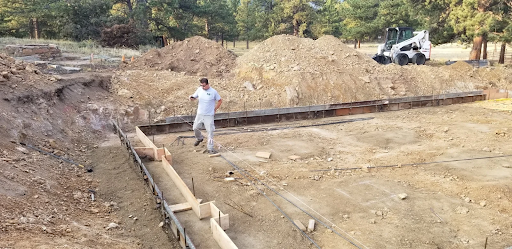
Yes. A concrete foundation starts with site evaluation, then precision excavation to the correct dimensions. Forms, rebar, and the pour follow. Hiring one contractor for the dig and the concrete keeps those steps connected.
Q4. Which Front Range cities does Concrete and Excavating Inc. serve?
Concrete and Excavating Inc. serves Denver, Loveland, Fort Collins, Boulder, Westminster, Thornton, Arvada, and neighboring Front Range municipalities.
Conclusion
Before hiring an excavation contractor, compare written answers to these seven questions to ensure your site is in capable hands.
Contact Concrete and Excavating Inc. today to request an on-site quote and discuss your project requirements before work begins.