Your home stands on trust—its foundation. When shifting soils, moisture, and temperature swings begin to stress that base, you need clarity, not guesswork. Understanding concrete foundation repair methods helps you recognize problems early and partner with specialists who protect structural stability before minor cracks quietly evolve into costly structural threats.
Why Professional Evaluation Matters
Before choosing any repair path, you need a precise diagnosis. Experienced teams study soil behavior, drainage patterns, and structural stress points. Their evaluation guides the most suitable concrete foundation repair methods, ensuring repairs address root causes rather than symptoms, saving you from repeating the same structural problems years later.
1. Crack Mapping Before Repair
Cracks rarely appear randomly. When technicians inspect your foundation, they trace patterns, measure width, and check moisture exposure. This mapping helps determine which concrete foundation repair methods will stabilize the structure rather than temporarily hiding damage.
You gain a clear explanation of why specific materials and techniques are recommended first. Foundation specialists also check whether cracks are structural or cosmetic. Epoxy injections restore strength while flexible polyurethane seals minor movement.
When professionals explain these options, you understand how precise material selection supports long-term durability and prevents water penetration beneath slabs and basement walls over time, safely and consistently today.
“According to a study done by the US Census Bureau, more than 4.9 million occupied housing units had holes and cracks, which resulted in crumbling foundations.”
2. Soil Movement and Settlement Correction
Shifting soil is often the hidden driver behind sinking slabs. Professionals evaluate load distribution and soil compression before choosing concrete foundation repair methods such as slab jacking or underpinning. When you work with specialists, they lift and stabilize the base while correcting soil conditions causing settlement in the first place.
Accurate elevation recovery protects doors, windows, and interior finishes from misalignment. During lifting operations, technicians monitor pressure levels carefully so slabs rise evenly.
You avoid sudden stress fractures because adjustments happen gradually with engineered equipment and constant measurement, ensuring the building settles back into balanced support across the footprint again.
3. Water Intrusion Control Strategies
Water pressure around foundations quietly weakens concrete over time. Experts integrate drainage channels, sealants, and membranes with broader concrete foundation repair methods, so you are not simply patching cracks but preventing moisture from returning.
This proactive barrier protects basements, flooring, walls, and indoor air quality long after repairs are completed. Drainage improvements often extend beyond the basement perimeter. Professionals may regrade the surrounding soil, install French drains, or extend downspouts farther away from the structure.
These practical steps quietly reduce hydrostatic pressure, giving repaired concrete a stable environment where moisture cycles no longer accelerate cracking or weakening beneath your home foundation.
4. Reinforcing Walls Under Stress
When walls begin bowing or separating from floor framing, specialists introduce carbon fiber straps, steel braces, or helical supports. These upgrades work alongside targeted concrete foundation repair methods, giving your structure renewed load capacity.
Instead of waiting for visible failure, you actively strengthen vulnerable areas before cracks widen or spread. Engineers sometimes recommend combining reinforcement with anchor systems that grip deeper, stable soil layers.
This approach redistributes structural loads more safely across the support system. As a homeowner, you gain confidence knowing the repair strategy is designed for decades of performance, not just cosmetic improvement, after inspection reports confirm stability.
5. Choosing the Right Repair Partner
Not every contractor approaches structural issues the same way. A reliable team explains inspection results, outlines timelines, and matches your property with the effective concrete foundation repair methods.
They also monitor progress, document stabilization, and advise you about drainage, grading, and maintenance habits that keep your foundation stable long-term. Good repair partners also educate you about warning signals like stair-step cracks, sticking doors, or basement dampness.
Early communication allows inspections before movement accelerates. With routine monitoring and professional guidance, your property remains protected against shifting soils, seasonal expansion, and hidden structural stress that could threaten long-term stability.
Why Partner with Concrete and Excavating Inc for Concrete Foundation Repair
When your property shows signs of structural trouble, you don’t have the luxury of waiting weeks for solutions. Cracks in the walls, water collecting around the foundation, or a bowing basement wall can quickly turn into a serious structural threat.
In these stressful situations, partnering with Concrete and Excavating Inc. gives you the confidence that experienced professionals are handling the problem from the ground up.
1. Fast Response When You Need It Most
When foundation issues appear, delays can lead to higher repair costs and worsening damage. Concrete and Excavating Inc. understands the urgency you face as a property owner. Their team prioritizes quick assessments and efficient action so your structure can be stabilized before the problem escalates further.
2. Expertise in Structural Repairs
Foundation repairs require more than basic tools and surface fixes. You need specialists who understand the science behind soil movement, drainage, and structural pressure.
The team at Concrete and Excavating Inc. applies proven concrete foundation repair methods to address the real causes behind foundation damage rather than simply hiding the symptoms.
3. Advanced Equipment for Complex Jobs
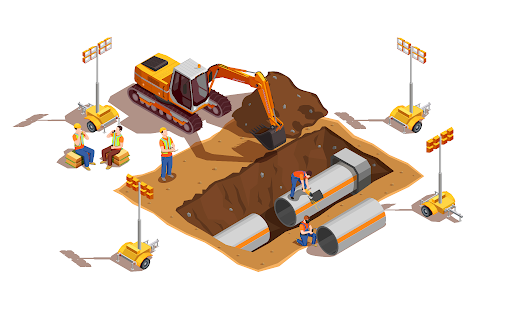
Many foundation problems originate below the surface. Without the right equipment, contractors cannot access the areas that truly need repair. Concrete and Excavating Inc. uses professional excavation machinery to reach deep structural zones safely and efficiently.
This allows them to implement reliable concrete foundation repair methods that strengthen your foundation for the long term.
4. Root Cause Analysis
Instead of rushing into temporary repairs, the company focuses on understanding why the damage happened. Their specialists evaluate soil conditions, moisture exposure, and structural stress points before recommending a repair plan.
This careful process ensures the chosen concrete foundation repair methods stabilize the building and prevent recurring problems.
5. Disaster Cleanup and Site Preparation
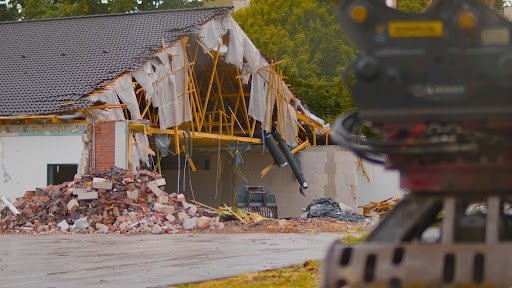
Storms, flooding, or accidents can leave debris around your property and weaken your foundation. Concrete and Excavating Inc. offers disaster cleanup services alongside foundation repair. This means you receive both immediate site restoration and structural stabilization from one dependable team.
6. Long-Term Structural Protection
Your property deserves repairs designed to last for years. The team focuses on solutions that restore structural balance, improve drainage, and reinforce weakened areas. By using trusted concrete foundation repair methods, they help ensure your home or building remains safe, stable, and protected against future damage.
Signs You May Need Immediate Foundation Repair
| Warning Sign | What It Could Mean |
| Stair-step cracks in brick or block walls | These cracks often indicate shifting soil or uneven foundation settlement that requires professional evaluation. |
| Doors and windows sticking or misaligned | Foundation movement can distort frames, making doors and windows difficult to open or close properly. |
| Water pooling near the foundation | Poor drainage or grading can create hydrostatic pressure that weakens foundation walls over time. |
| Bowing or leaning basement walls | This is a serious structural issue often caused by soil pressure pushing inward against the foundation. |
| Uneven floors inside the home | Sloping or sagging floors may signal that parts of the foundation are settling or losing support. |
| Cracks in interior drywall or ceilings | Structural shifts in the foundation can transfer stress upward into interior walls and ceilings. |
| Gaps between walls and floors | Visible separation in structural joints can indicate that the foundation is moving or settling unevenly. |
Frequently Asked Questions
Q1. How do professionals determine which concrete foundation repair method is best?
Answer: Experts inspect soil conditions, drainage patterns, crack types, and structural load distribution. This detailed evaluation helps them choose repair methods that address the root cause, not just visible damage.
Q2. How long do most concrete foundation repair methods typically last after completion?
Answer: When performed by qualified specialists, foundation repairs can last several decades. Longevity depends on soil stability, drainage improvements, and routine maintenance that prevents recurring pressure on the structure.
Q3. Is it safe to live in a home during foundation repair work?
Answer: In many cases, homeowners can remain in the property during repairs. However, extensive structural work or excavation may require temporary relocation depending on project complexity and safety considerations.
To Wrap Things Up
Concrete and Excavating Inc. delivers dependable concrete foundation repair methods that restore strength and stability to your property. Don’t let small cracks become costly problems. Connect with their experienced team today, get expert guidance, and take the first confident step toward a safer, stronger foundation for your home or business.