When you look at a smooth driveway or a perfectly level patio, you see the result of careful engineering. Most property owners notice just the grey surface, but there is a complex science behind the question of “What is involved in concrete flatwork’s every pour?” This craft affects the long-term value and safety of your property.
In this blog, we will explore the essential components and benefits of horizontal masonry.
The Foundation of Every Great Property
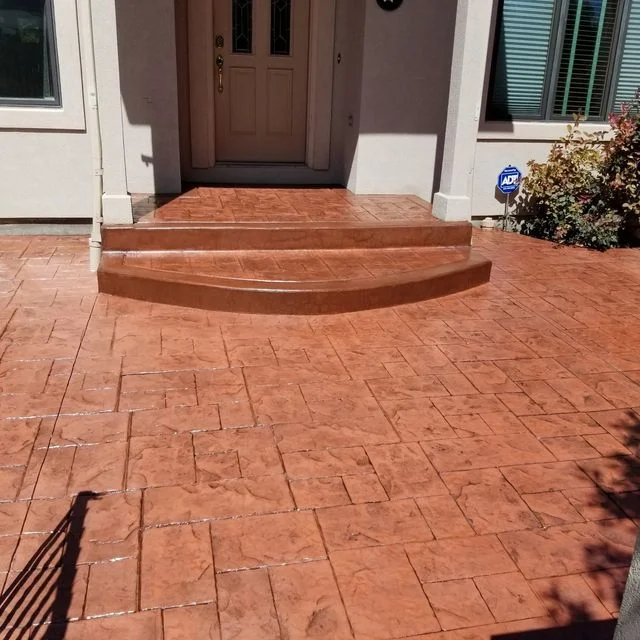
Whether you are building a new home in Loveland or upgrading a commercial lot in Dallas, the ground beneath you matters. Professional masonry is more than just pouring a liquid; it creates a lasting asset.
What exactly is concrete flatwork?
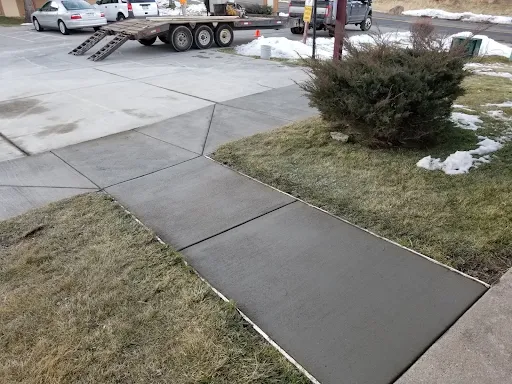
It is any cement-based surface poured along a horizontal plane. From your front porch to a massive warehouse floor, this service provides the functional “skin” of your landscape.
Unlike vertical walls, these surfaces must withstand constant foot traffic, heavy vehicle loads, and the harsh freeze-thaw cycles in Colorado.
Where You See It Every Day
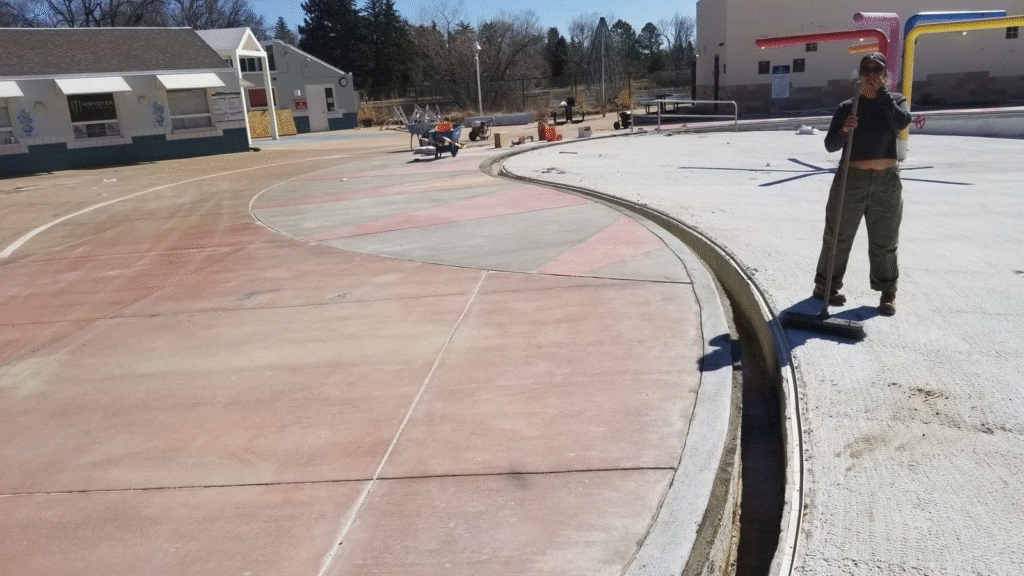
You likely interact with these surfaces frequently without noticing. Understanding what concrete flatwork is requires looking at its diverse applications:
- Residential Entryways:
Driveways that support SUVs without cracking.
- Outdoor Living:
Patios and pool decks that provide slip-resistant relaxation zones.
- Functional Interiors:
Reinforced garage floors and slabs-on-grade for workshops.
- Public Infrastructure:
Safe sidewalks, gutters, and curbs that define our streets.
The Anatomy of a Perfect Pour
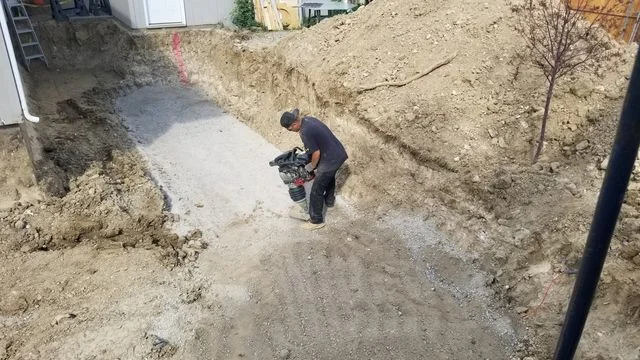
Building a surface that lasts thirty years needs more than a truck and a shovel. When experts explain what concrete flatwork is, they focus on three key elements:
- Structural Support:
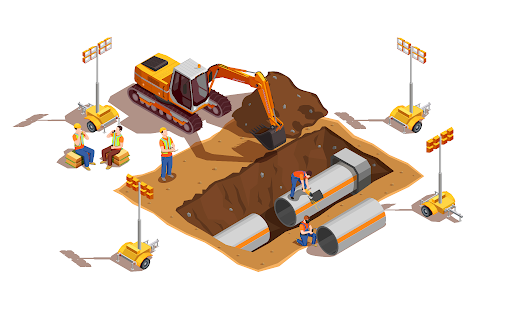
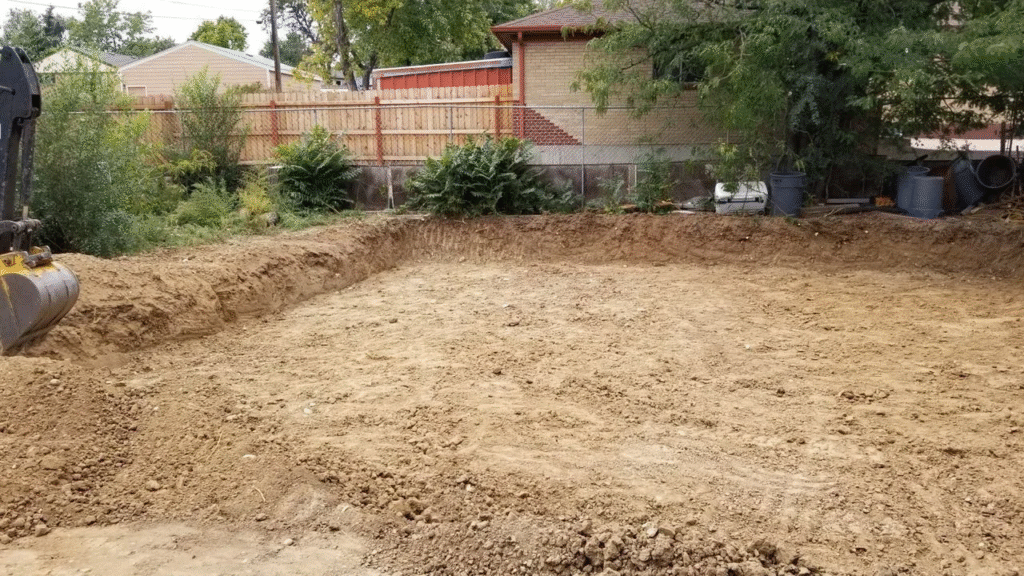
Before the mix arrives, the subgrade must be excavated and compacted. Without a solid base, even the best mix will fail.
- The Reinforcement:
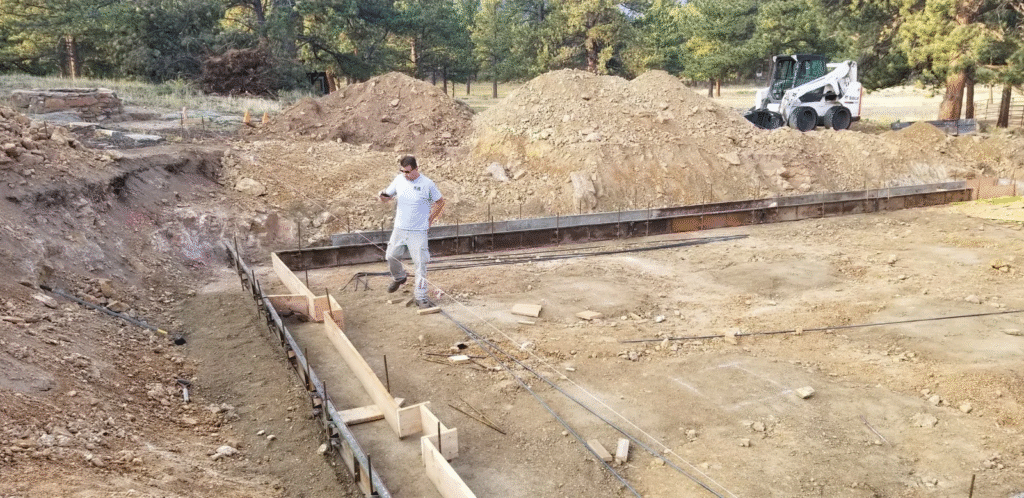
Using rebar or wire mesh adds the strength needed to handle heavy loads.
- The Mix Design:
Choosing the right PSI (pounds per square inch) makes sure the surface doesn’t crumble under pressure or weather.
The Finishing Timeline: A Race Against Chemistry
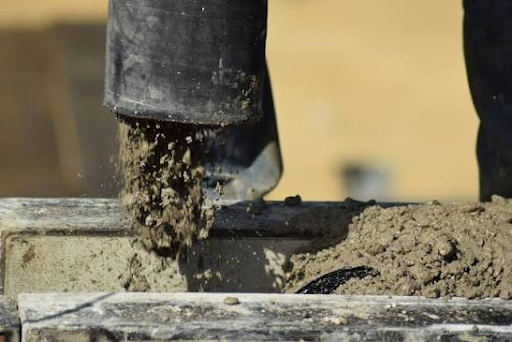
Timing is the most critical part of the process. Many DIY projects fail because they ignore the curing clock. To master what concrete flatwork is, one must follow a strict sequence:
- Placement & Screeding:
Leveling the wet mix to the top of the forms.
- Initial Floating:
Using a “bull float” to push down large aggregates and bring smaller particles to the top.
- The Waiting Game:
Waiting for “bleed water” to disappear before the final touches.
- Edging and Jointing:
Creating “control joints” so the slab knows how to expand and contract.
- Final Texturing:
Applying a broom finish for grip or a trowel finish for smoothness indoors.
Avoiding Common Installation Disasters
There is a big difference between a cheap contractor and a specialist. When asking about what concrete flatwork is, you should also watch out for these common pitfalls:
- Sprinkling Water/Cement:
Never add water or dry cement to the surface to speed up finishing; this leads to “dusting” and surface scaling.
- Overworking the Surface:
Bringing too many fine particles and excess water to the top weakens the structure and causes premature wear.
- Poor Timing:
Every step from bull floating to troweling depends on the concrete’s firmness. Acting at the wrong time ruins the bond.
- Neglecting Curing:
Skipping the hydration process makes the slab shrink unevenly and lose its rated PSI strength.
Traditional Asphalt vs. Modern Masonry
Many property owners compare asphalt to cement. While asphalt is often a cheap alternative to specialized masonry, it doesn’t last as long.
| Feature | Traditional Asphalt | Modern Concrete Masonry |
| Lifespan | 15-30 years (Source: Black Tar) | 30+ years |
| Maintenance | Requires cleaning & resealing. | Minimal (cleaning & occasional sealing). |
| Durability | Softens in heat, prone to rutting. | Rigid and stable in all temperatures. |
| Aesthetics | Limited to black/grey. | Unlimited stamps, colors, and textures. |
| Long-term Value | Lower; needs replacement sooner. | High; permanent property asset. |
Why Regional Expertise Changes the Game
In places like Denver or Loveland, the soil is known to be tough. This is why companies like Concrete and Excavating Inc. are often seen as a better choice for local projects. We understand that “Front Page” soil conditions and use specific mixtures that resist the region’s extreme temperature changes.
Having a trustworthy contractor that manages everything from the initial excavation to final curing ensures there are no communication barriers between different teams.
Your Most Pressing Concrete Questions Answered!
- Is A Concrete Surface Better Than Asphalt For My Budget?
“While the initial cost is higher, the lack of maintenance makes it more affordable over 30 years. You won’t be paying for frequent resealing or patch repairs. (Source: Merlo Construction)”
- How Soon Can I Use My New Surface?
“Usually, you can walk on it after 24 to 48 hours. However, wait at least 7 days before driving a vehicle on it to ensure it has reached the necessary strength. (Source: Sudlow Concrete)”
- Will My New Surface Eventually Crack?
All concrete can shift over time. However, the expertise in what concrete flatwork is allows professionals to use control joints, which act as “planned cracks” to keep the surface looking even.
- How Do I Maintain the Look of the Surface?
It is relatively low maintenance!
“Sealing the surface every 2 to 3 years helps protect it from stains, moisture, and de-icing salts in winter. (Source: Precision Landscaping)”
- Can I Customize the Look?
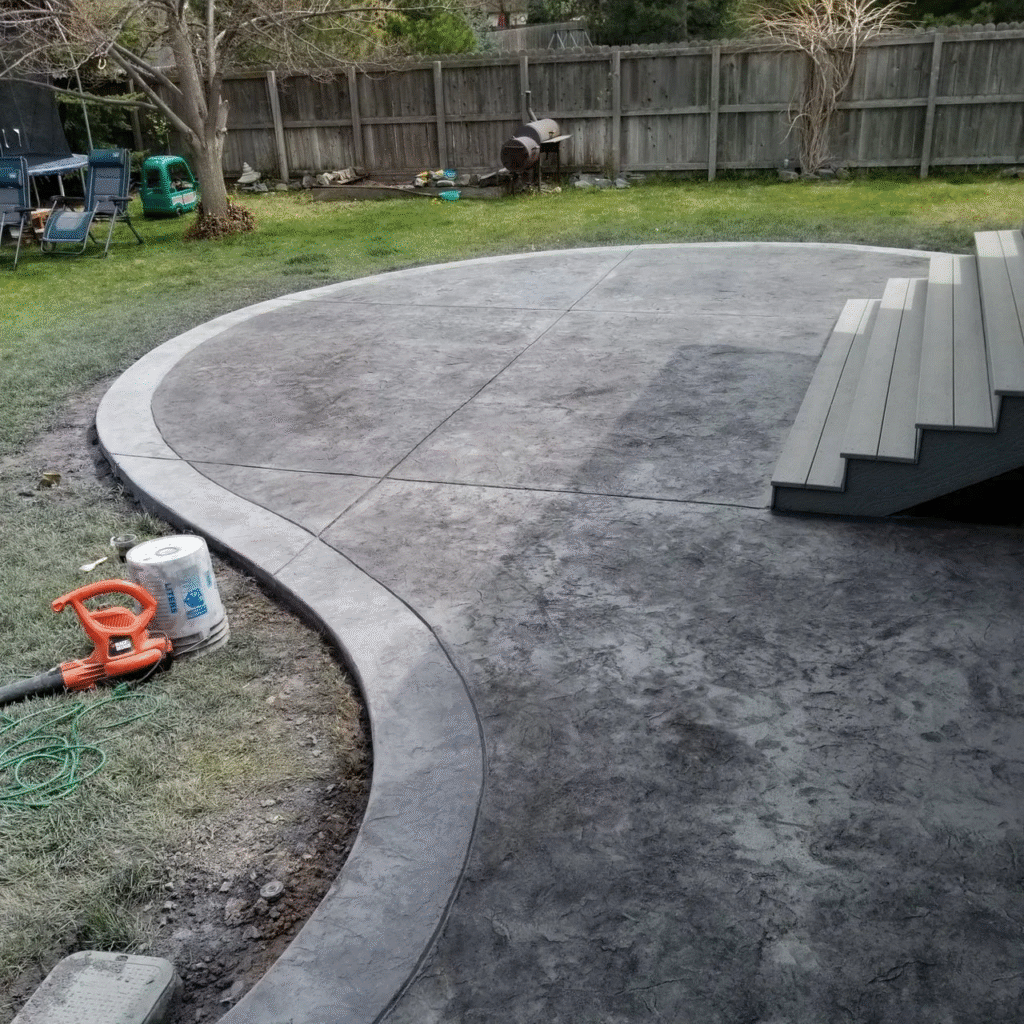
Modern techniques allow for stamped patterns that mimic stone or wood, as well as integral colors that won’t fade over time.
Why Concrete and Excavating Inc. Stands Apart!
When you evaluate local services, the “one-roof” model used by Concrete and Excavating Inc. offers a clear advantage:
- Integrated Site Prep:
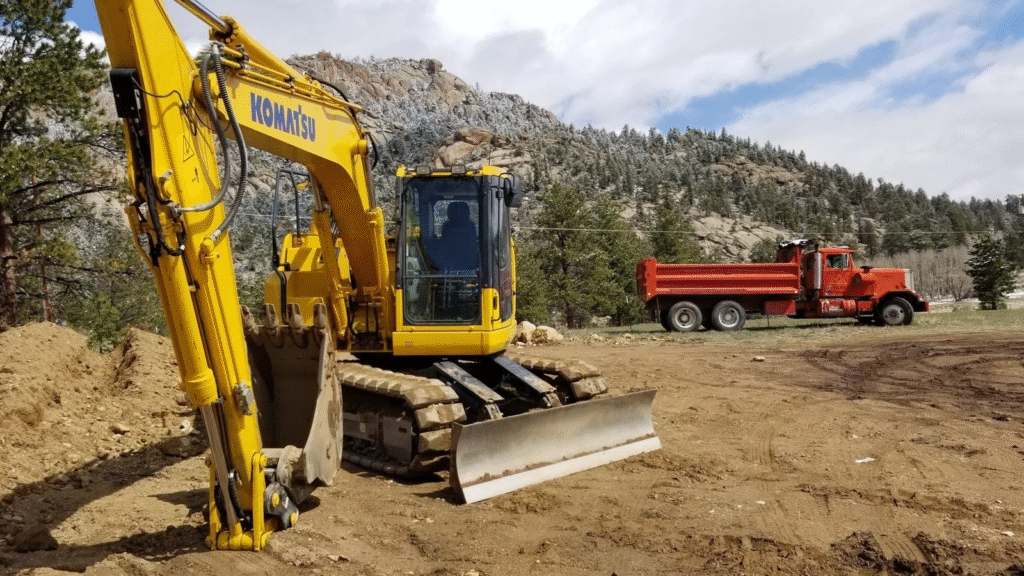
Because we own heavy excavating equipment, your subgrade is prepared with precise methods before the first pour.
- Decades of Experience:
With over 30 years of experience in the field, we have faced every soil type and weather challenge in the Front Range.
- Structural Guarantee:
We use high-strength 5,000 PSI mixes and strategic joint placement to ensure your investment lasts.
- Transparent Pricing:
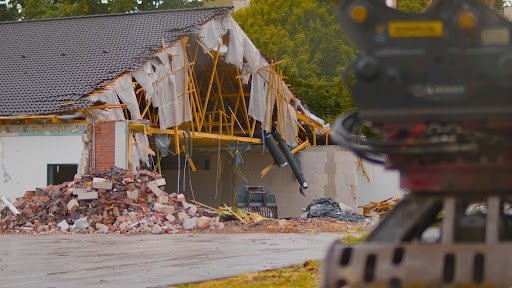
By managing the entire process from demolishing old slabs to the final finish, we cut out middleman costs.
For a surface that combines beauty with strength, choosing a specialist while learning “what is concrete flatwork” is the best way to ensure your investment lasts. Get ready to secure your property with a surface that lasts for decades. Contact Concrete and Excavating Inc. for a free consultation today!