Every building project starts long before concrete is poured. For homeowners and developers in Denver and across the Front Range region, foundations are especially important because local soil conditions can influence structural stability for decades. The type of foundation selected affects everything from building costs to long-term durability.
This guide explains how builders decide between different types of concrete foundations, what makes Colorado sites unique, and how the right preparation helps a structure last for generations.
The First Step in Any Foundation Project: Understanding the Ground
Before contractors choose a foundation system, they evaluate the construction site itself. The characteristics of the soil determine how weight will be distributed and how the structure should be supported.
In Colorado, the most common issue builders encounter is expansive clay soil. This soil expands when it absorbs moisture and shrinks when it dries. Over time, these movements can place pressure on foundations.
The Colorado Geological Survey estimates that expansive soils contribute to billions of dollars in structural damage nationwide each year (source).
Because of this, proper excavation, grading, and drainage planning are essential before any concrete is poured.
Key Questions Builders Ask Before Choosing a Foundation
Instead of selecting a foundation type immediately, contractors usually begin by answering several important questions.
| Question | Why It Matters |
| How stable is the soil? | Determines whether shallow or deep foundations are required |
| How large is the building? | Larger structures require stronger load distribution |
| Does the owner want extra interior space? | May lead to basement construction |
| What is the drainage pattern of the land? | Affects moisture protection and grading |
| What is the project budget? | Some foundation systems require more excavation |
These factors shape the final decision about which of the types of concrete foundations will work best.
How Excavation and Grading Prepare the Site
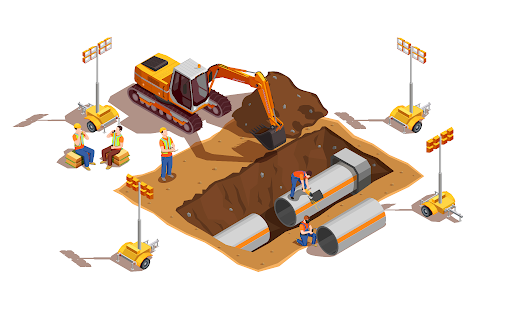
Before foundation work begins, contractors must prepare the land carefully. Even the strongest concrete cannot perform well if the soil underneath is unstable.
Typical site preparation involves several stages.
| Preparation Stage | Purpose |
| Excavation | Removes unsuitable soil and debris |
| Rough grading | Creates a level building area |
| Soil compaction | Reduces the chance of future settlement |
| Fine grading | Ensures proper drainage around the structure |
Improper soil preparation is one of the most common causes of foundation failure in residential construction.
Once the site is stable, contractors can begin building the foundation itself.
Slab Foundations: Efficient for Many Modern Homes
One of the most common foundation systems used in residential construction today is the slab foundation. Instead of building a deep structural base, contractors pour a thick concrete slab directly over a prepared soil surface.
The slab becomes both the foundation and the floor of the building.
Why Builders Use Slabs
Slab foundations are attractive because they simplify construction and reduce material costs.
According to the data, slab foundations account for more than half (73%) of newly built homes in the United States (source).
Typical Slab Components
| Component | Function |
| Gravel base | Improves drainage beneath the slab |
| Vapor barrier | Helps prevent moisture intrusion |
| Steel reinforcement | Strengthens the concrete |
Slab foundations are commonly used for:
- Single-story homes
- Garages
- Small commercial buildings
Their simplicity makes them a practical solution for many projects.
Basement Foundations: Creating Space Below Ground
In colder climates like Colorado, deeper foundations are often required to extend below the frost line. When excavation reaches this depth, many builders choose to create a basement.
A basement foundation consists of reinforced concrete walls built around the perimeter of the excavation, along with a floor slab at the base.
Why Basements Are Valuable
Basements provide additional usable space without expanding the building footprint.
Homeowners frequently use basements for:
- Storage
- Utility rooms
- Entertainment areas
- Extra bedrooms
Finished basements can increase property value and improve resale potential (source).
Basement Structural Elements
| Element | Purpose |
| Footings | Support foundation walls |
| Reinforced walls | Resist soil pressure |
| Drainage systems | Prevent groundwater buildup |
Because basements sit below ground level, waterproofing systems are especially important.
Crawl Space Foundations: A Middle Ground Between Slab and Basement
Crawl space foundations raise the building slightly above ground level and leave a narrow open space beneath the floor structure.
This space usually ranges from one to three feet in height.
Benefits of Crawl Spaces
| Benefit | Description |
| Utility access | Plumbing and wiring can be reached for maintenance |
| Elevation | Keeps the living space above soil moisture |
| Adaptability | Useful on mildly uneven terrain |
According to the U.S. Department of Energy, properly sealed crawl spaces can help improve indoor air quality and energy efficiency (source).
Although crawl spaces require ventilation and moisture control, they offer flexibility that slab foundations sometimes lack.
Pier Foundations: A Solution for Difficult Terrain
When surface soils cannot support a structure effectively, builders may rely on pier foundations.
Instead of spreading the building’s weight across a large slab, this system transfers loads through vertical concrete columns that extend deeper into the ground.
Where Pier Foundations Work Best
Pier systems are often used in situations such as:
- Sloped building sites
- Areas with unstable soil near the surface
- Elevated structures such as decks or small buildings
Structural Components
| Component | Role |
| Concrete piers | Transfer weight to stable soil layers |
| Support beams | Connect the structure to the piers |
| Anchors | Secure the framing system |
Pier foundations allow builders to construct stable structures even when site conditions are less than ideal.
Mat Foundations for Large Commercial Projects
Some buildings are simply too large or heavy for traditional shallow foundations.
Mat foundations solve this problem by creating a thick reinforced concrete slab that spreads the building load across the entire footprint of the structure.
Common Uses
Mat foundations are often used for:
- Warehouses
- Office buildings
- Large commercial developments
Advantages
| Benefit | Explanation |
| Even weight distribution | Helps prevent uneven settlement |
| Structural strength | Supports heavy loads |
| Simplified layout | Reduces the need for multiple footings |
Although mat foundations require detailed engineering, they provide dependable support for larger structures.
Why Quality Concrete Matters in Foundation Construction
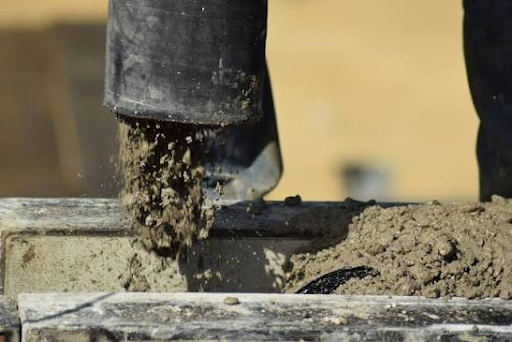
Not all concrete performs the same. High-quality materials and proper mixing ratios are essential for foundation strength.
Contractors typically use ready-mix concrete designed to meet specific strength requirements based on building loads and environmental conditions.
Reinforcement with steel bars or mesh adds additional structural stability.
The Value of Working with Experienced Concrete Professionals
Because foundations influence every part of a structure, professional installation is critical.
Experienced concrete contractors can help property owners:
- Evaluate soil conditions
- Plan excavation and grading work
- Select the most appropriate foundation type
- Install reinforced concrete structures
- Ensure compliance with Denver building codes
These steps help prevent costly structural issues later in the life of the building.
Comprehensive Concrete Services for Denver Projects
Many construction projects move more efficiently when a single contractor manages multiple phases of site preparation and concrete installation.
Concrete construction companies serving Denver and nearby communities often provide services such as:
- Concrete foundation construction
- Excavating services
- Fine grading and site preparation
- Flatwork concrete for driveways and sidewalks
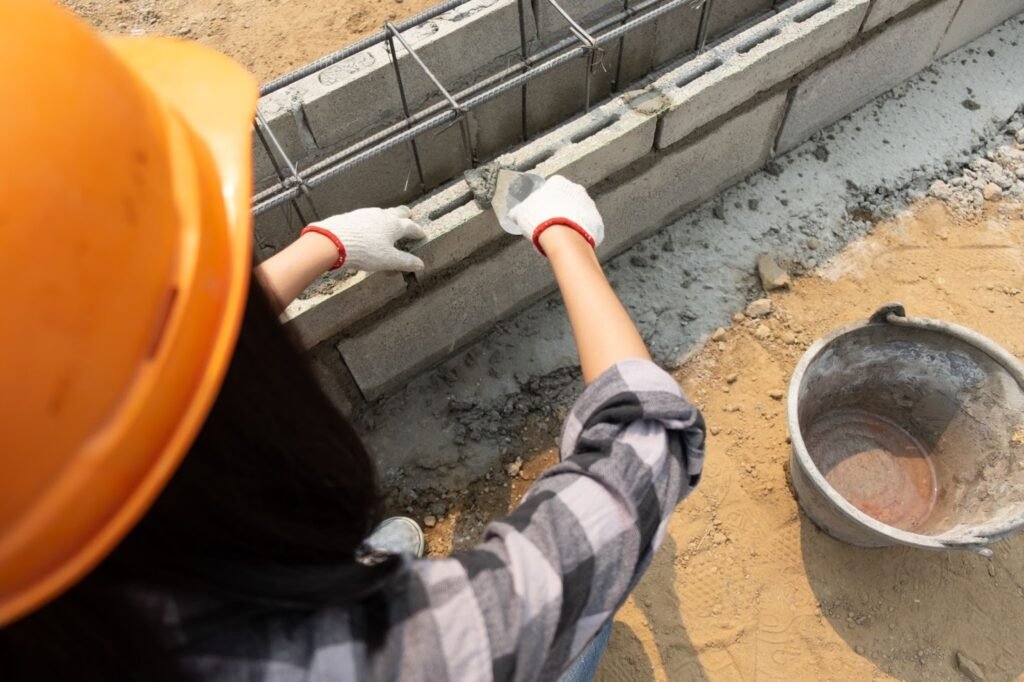
- Masonry construction
- Fencing installation
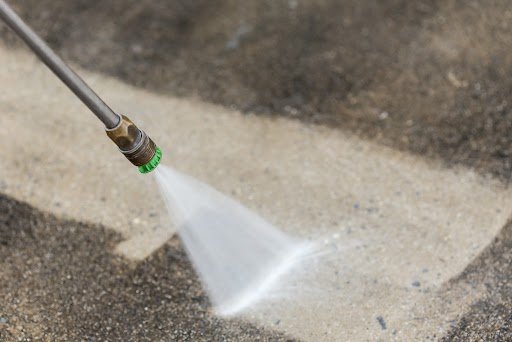
- Power washing for exterior surfaces
Working with a contractor that offers these services under one roof simplifies project coordination and helps ensure consistent workmanship.
FAQs
FAQ 1. How long does a concrete foundation last?
A properly built concrete foundation can last 80 to 100 years or more with good installation and drainage.
FAQ 2. How long does foundation construction take?
Most residential foundations take about one to two weeks, depending on the size and weather conditions.
FAQ 3. Do concrete foundations need maintenance?
They require little maintenance, but occasional inspections for cracks or drainage issues are recommended.
Final Thoughts
Choosing the right types of concrete foundations helps ensure a building stays strong and stable for years. For homeowners and builders in Denver, expert guidance can make the process much easier.
Concrete and Excavating Inc. provides reliable excavation, grading, and concrete foundation services backed by local experience. Their team focuses on quality work and clear communication from start to finish.
If you are planning a new project or need foundation help, contact Concrete and Excavating Inc. today to get started.