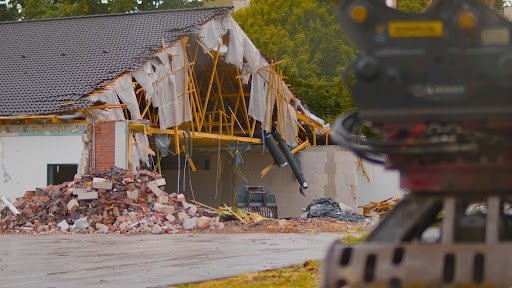
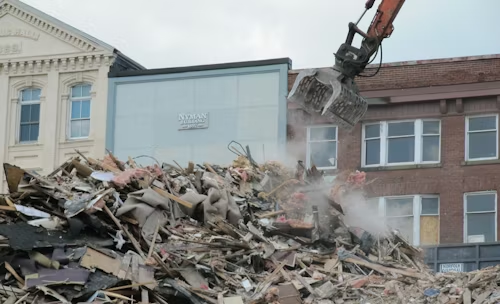
When disaster strikes, time works against your property’s safety. Whether it’s a fallen cottonwood after a windstorm in Denver or scattered rubble after a local emergency, dealing with the aftermath can be overwhelming.
In this blog, we will explore the important steps of professional emergency debris removal and site restoration and how specialized help safeguards your investment through careful recovery.
The Critical Nature of Emergency Debris Removal
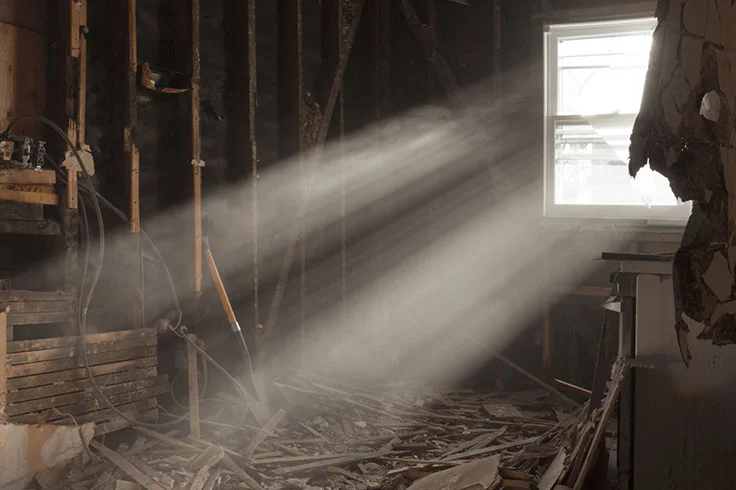
After a crisis, “debris” describes a significant risk. In Colorado, our geography and climate, ranging from floods along the Front Range to mountain wildfires, create diverse and dangerous types of waste.
Emergency debris removal is not just about appearance; it is the first step in recovery. It involves understanding the situation, carrying out the removal, and following strict safety guidelines.
Why Immediate Action is Essential
1. Public Health: Stagnant floodwater and burnt materials can lead to mold and toxic pathogens.
2. Infrastructure Access: Blocked driveways and roads prevent emergency responders from reaching those in distress.
3. Secondary Risks: Unstable debris piles can shift, causing further collapses or fire risks.
4. Federal Support: Quick, documented cleanup is necessary to secure a FEMA reimbursement and insurance payouts.
Top Disasters Requiring Professional Cleanup
While we hope for the best, preparing for the worst is essential. Professional recovery teams know the patterns of destruction that often occur in the USA, especially in the Denver metro area.
1. Floods: “Statistically, floods represent the most frequent natural disaster across the United States, as per the Ready survey.”
High-velocity water leaves behind sediment, silt, and contaminated sludge that needs specialized removal.
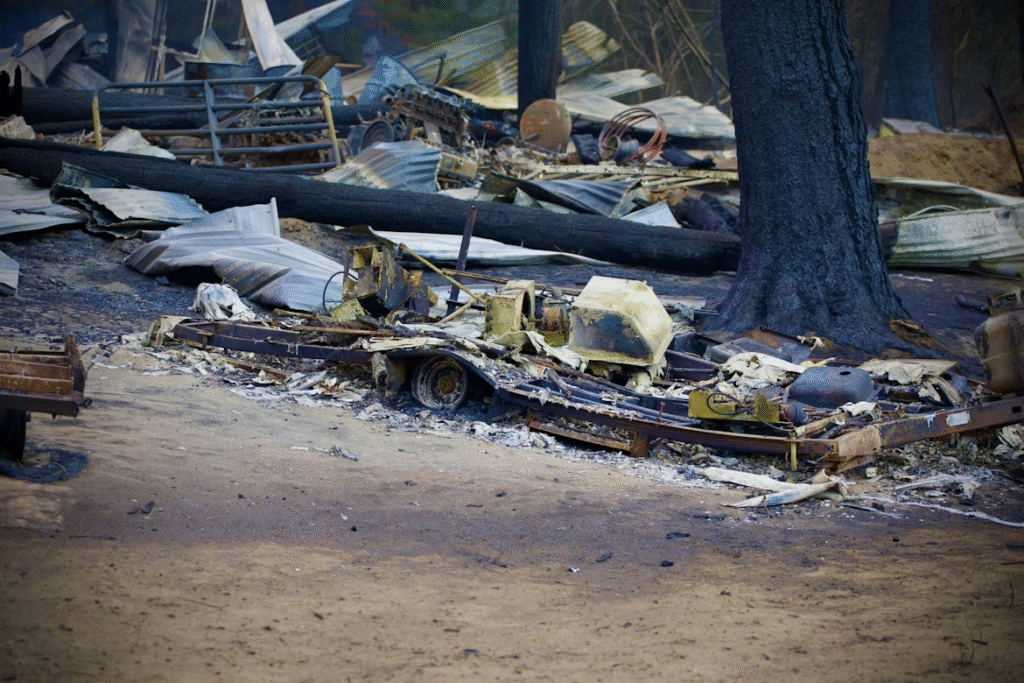
2. Wildfires: These can leave toxic ash, hazardous materials, and unstable “hazard trees” that pose long-term dangers.
3. Tornadoes and Windstorms: These create wreckage from appliances and generate vast amounts of vegetative waste.
4. Earthquakes and Structural Failures: These lead to heavy construction and demolition (C&D) waste that can affect ground stability.
Categorizing the Chaos: USA Debris Management
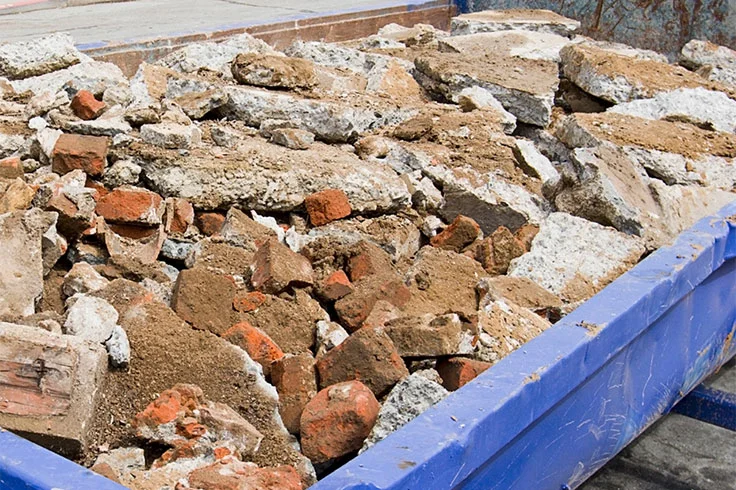
Understanding the waste is a crucial part of recovery. Debris needs to be categorized to ensure proper disposal according to EPA and Colorado state rules.
| Debris Type | Examples | Removal Method | Challenge |
| Vegetative | Fallen trees, stumps, limbs. | Chipping, hauling, or composting. | Large volume; requires heavy machinery. |
| C&D Waste | Concrete, drywall, roofing. | Specialized dumpsters and excavators. | Weight and structural instability. |
| HHW & Fire Debris | Paints, ash, charred wood. | Sealed containment and air monitoring. | Toxicity and soil contamination. |
| White Goods | Fridges, HVAC units, dryers. | Appliance-specific hauling. | Recovery of Freon or refrigerants is needed. |
| Electronic Waste | Computers, TVs, and monitors. | Certified e-waste recycling. | Risk of metals leaching into the soil. |
Selecting a Specialist for Front Range Recovery
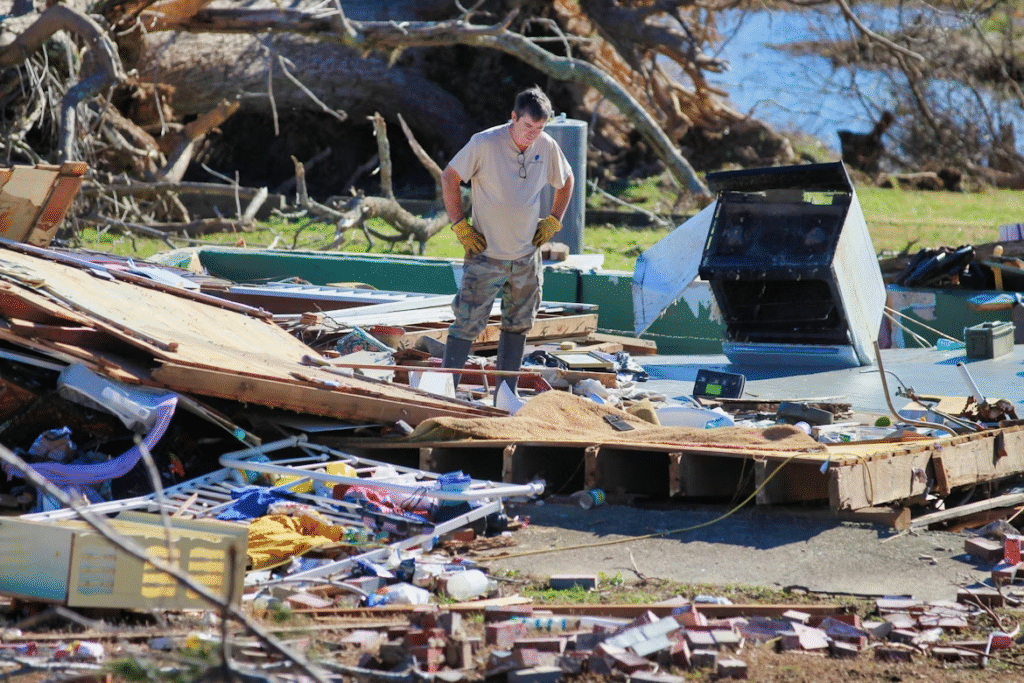
Choosing a partner for emergency debris removal can mean the difference between ongoing headaches and smooth restoration. Many homeowners consider DIY solutions or general haulers, but specialized contractors offer notable benefits.
Why Integrated Expertise Matters!
Unlike standard workers who simply “pick up and drop off,” a full-service provider like Concrete and Excavating Inc. handles every stage of the project. This includes initial excavation, structural assessment, and final touches.
By combining these steps, you reduce the stress of coordinating multiple crews and ensure that the repairs, like driveways and foundations, hold up against Colorado’s changing soils and temperatures.
Trust and Financial Peace of Mind
You can build trust based on a proven track record. In Denver, look for an A+ BBB rating and a high repeat-client rate to ensure reliability.
Additionally, modern recovery services should provide flexible, secure payment options. Accepting credit cards from major networks with instant confirmation helps ensure the financial aspects don’t add to the confusion.
Environmental Responsibility and Compliance
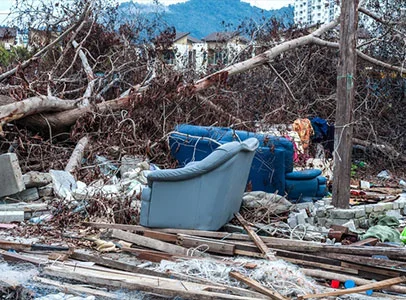
Responsible recovery focuses on the land. Proper emergency debris removal involves a commitment to the environment that a typical “junk removal” service might miss.
1. EPA-Compliant Washout: Strict treatment practices keep chemicals and concrete runoff out of Colorado’s waterways.
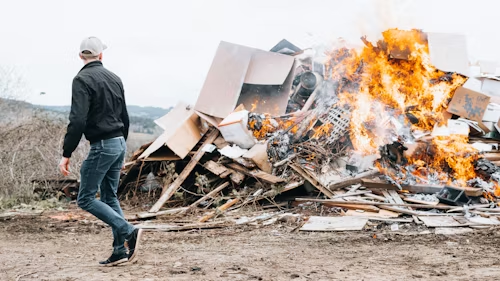
2. Strict Fire Safety Distances: To prevent secondary disasters during thermal reduction, it is vital to maintain at least 1,000 feet between any burn pile and the main debris pile. Furthermore, safety codes require a minimum of 1,000 feet of separation between burn piles and any standing buildings to prevent accidental ignition. (Source: EPA)
3. Waste Management: Careful sorting of materials makes sure that every piece of debris is disposed of or recycled according to regulations.
4. Safety Protocols: Licensed and insured teams like Concrete and Excavating Inc. follow Denver building codes and OSHA standards, protecting your property and the community.
5 Essential Components of Professional Site Clearance
A methodical approach transforms a chaotic disaster zone into a clean area:
1. Collection & Segregation: Separating recyclables from hazardous waste on-site to lessen landfill impact.
2. Heavy Equipment Operation: Using a fleet of excavators to manage weights too heavy for manual labor.
3. Regulatory Compliance: Handling all local permits to ensure adherence to safety codes.
1. Property Stabilization: Planning drainage to shield the property from future water damage.
4. Documentation: Providing photographic evidence needed for insurance adjusters and FEMA claims.
Quick Tips for Homeowners: Fast and Safe Recovery
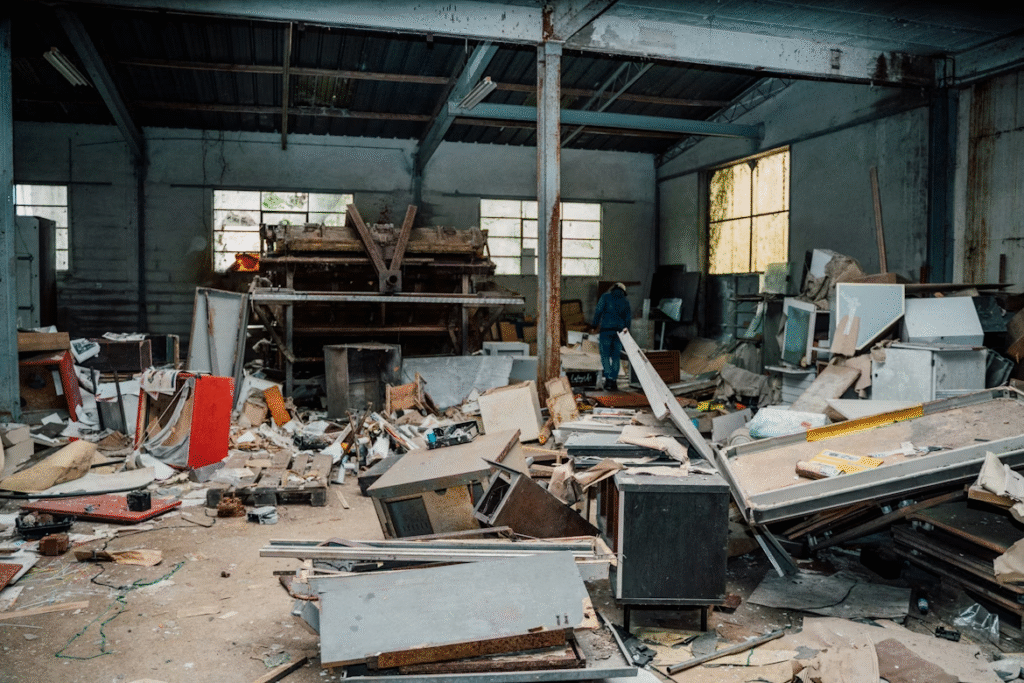
If you find yourself in a disaster area, follow these steps before the heavy machinery arrives:
1. Prioritize Safety: Wear sturdy boots and gloves. Avoid touching downed power lines or entering damaged structures.
2. Document Everything: Take photos from every angle for your insurance claim before any emergency debris removal starts.
3. Flag Hazards: Point out broken glass or chemical spills to warn recovery teams when they arrive.
4. Clear Access: If safe, remove small obstacles to create a path for heavy machines.
5. Seek Professional Help: For large wreckage or hazardous materials, DIY is never worth the risk to your health.
Common Concerns About Site Recovery
1. How Does the Cleanup Process Work?
It starts with a safety assessment, followed by debris sorting, hauling, and preparing the site for rebuilding.
2. Can I Handle the Cleanup Myself?
While minor debris is manageable, anything involving hazardous materials, fire ash, or structural rubble requires professional gear and EPA-approved disposal.
2. What Is Emergency Debris Removal?
It refers to the quick clearing of obstacles (like trees and C&D waste) to restore safety and access right after a disaster.
3. Can The Service Assist With Insurance?
Yes! Specialized contractors provide detailed records and documentation that support insurance claims.
4. What Happens To The Waste After It Is Removed?
Properly managed waste is sorted; metals and concrete are usually recycled, while hazardous materials go to certified treatment facilities.
Why Concrete and Excavating Inc. Stands Apart!
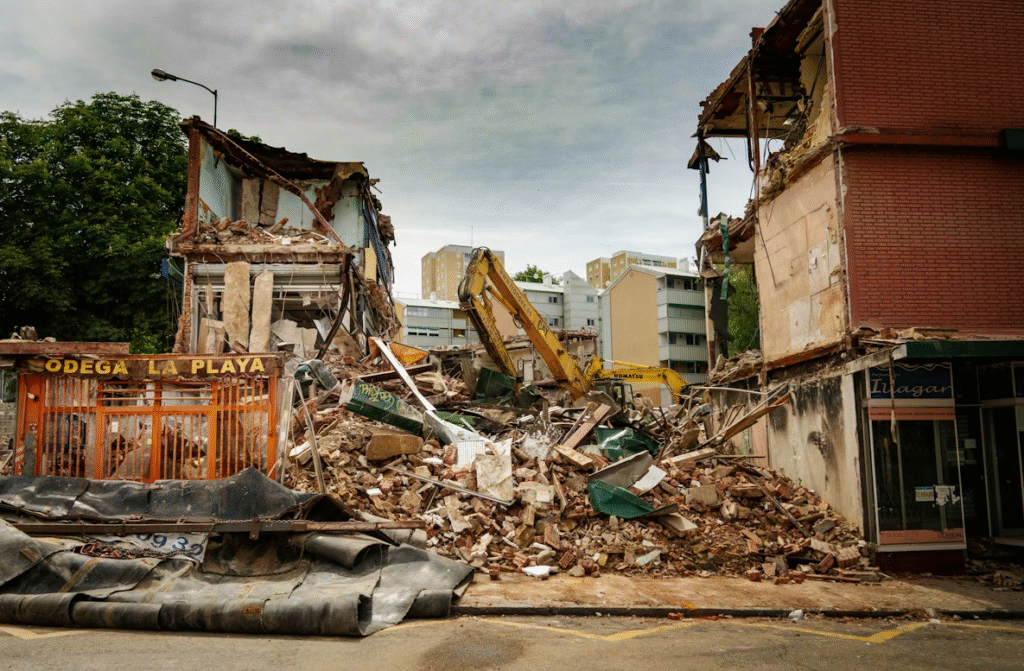
In a crowded market of single-service contractors, finding a partner that sees the “whole property” is crucial. While many focus only on hauling, a top provider like our Concrete and Excavating Inc. offers the heavy equipment needed, loaders, dump trucks, and excavators, to avoid delays from equipment rentals or subcontracting.
A commitment to quality and compliance sets professionals apart from temporary fixes. Look for a team like Concrete and Excavating Inc. that emphasizes the following:
1. Human-Centric Service: Detailed consultations reflect your specific vision and budget.
2. Transparent Pricing: Clear, upfront estimates avoid unexpected fees.
3. Local Insight: Strong understanding of Colorado-specific building codes and soil conditions in Denver and Loveland.
Exclusive Opportunity for Colorado Residents
After a great response to our recent exhibition, we want to give back to the community that strengthens the Front Range.
Enjoy Our Limited Monthly Offer!
Each month, 5 to 10 lucky customers receive an extra 5-10% discount on all listed services, including emergency debris removal and foundation repair.
Partnering for a Fresh Start With Concrete and Excavating Inc.
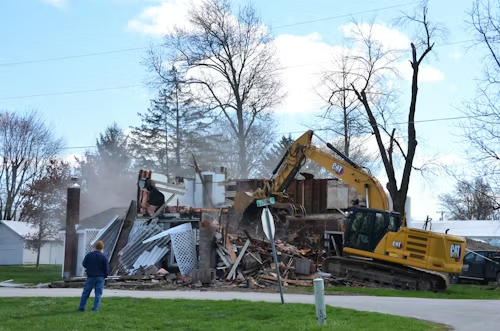
When the storm passes, you don’t have to face the damage alone. Emergency debris removal bridges the gap between disaster and a new beginning.
Whether you are a homeowner needing a patio replaced or a commercial developer requiring extensive site clearance, having the right team, like Concrete and Excavating Inc., ensures precision and ease.Don’t let a pile of debris slow your progress. If your property is affected by disaster waste, reach out to Concrete and Excavating Inc. for a free, no-obligation estimate and see how we can efficiently restore your site.