When protecting a property, many people think of cameras or alarm systems first. However, one of the most reliable and visible forms of protection is a strong perimeter fence.
So, what is security fencing, and why are more property owners investing in it today? Security fencing goes beyond simply placing a barrier around a property.
This guide explains what security fencing is, how it works, the common types available, and why it is becoming increasingly important for homes and businesses across Colorado.
What Is Security Fencing?
Security fencing refers to a type of perimeter barrier designed specifically to prevent unauthorized access while protecting people, property, and assets. Unlike decorative fencing that focuses mainly on appearance, security fencing prioritizes durability, height, structural strength, and controlled access points.
In simple terms, security fencing is built to do three main things:
- Deter intruders
- Control entry and exit
- Protect property and assets
Security fencing can be installed around residential homes, commercial buildings, construction sites, warehouses, and public facilities.
At its core, a security fence acts as the first line of defense for any property. Even before alarms or surveillance systems activate, a well-built fence creates a physical barrier that discourages trespassing and improves overall safety.
Why Security Fencing Is Becoming More Important
Security concerns are one of the biggest drivers of fencing installation in the United States. As property development increases and urban areas expand, the need for clearly defined and protected spaces is growing.
Recent industry reports highlight how significant the fencing market has become.
| Market Statistic | Recent Data |
| U.S. fencing market value (2024) | $9.33 billion |
| Projected market value by 2033 | $14.86 billion |
| Global security fencing market value (2023) | $30.42 billion |
| Expected global market by 2030 | $44.39 billion |
These figures reflect the rising demand for perimeter protection in residential, commercial, and industrial sectors.
Several factors are fueling this growth:
- Rising concerns about property security
- Rapid urban development
- Increased infrastructure projects
- Greater awareness about privacy and safety
For property owners in Denver and surrounding Front Range communities, security fencing is increasingly viewed as a long-term investment rather than just a boundary marker.
Key Features of Effective Security Fencing
Not every fence qualifies as a security fence. Security fencing systems are designed with specific features that enhance protection.
Strong Structural Materials
Security fences are typically built from durable materials such as steel, aluminum, reinforced wood, or concrete-supported posts. These materials resist cutting, climbing, and weather damage.
Proper Height
Height plays a significant role in security fencing. Most security fences range between six and eight feet, which helps discourage climbing and unauthorized entry.
Secure Gate Systems
Gates are the most vulnerable points in any fence. A well-designed security fence includes reinforced gates with reliable latching mechanisms.
Concrete Post Foundations
One often overlooked component of security fencing is the foundation. Concrete set posts create stability and prevent shifting over time, especially in areas with freeze and thaw cycles like Colorado.
Clear Boundary Definition
Security fencing establishes a visible perimeter that makes property lines clear and discourages trespassing.
Common Types of Security Fencing
Different properties require different types of security fencing. The right solution depends on the level of protection needed, the surrounding environment, and aesthetic preferences.
Below is a simple comparison of common security fence types.
| Fence Type | Best For | Key Advantages |
| Chain Link Security Fence | Commercial and industrial sites | Affordable and durable |
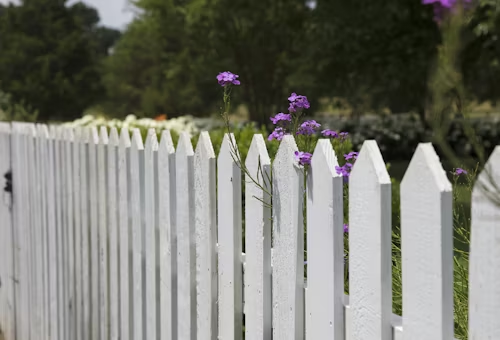
| Wood Privacy Fence | Residential properties | Blocks visibility and improves privacy |
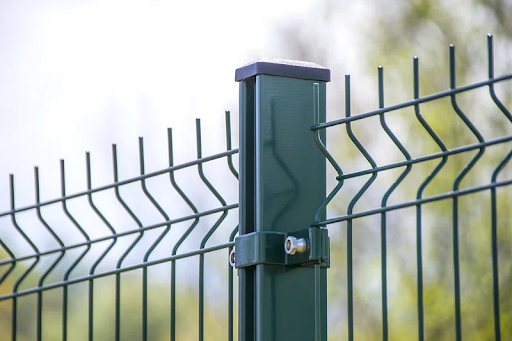
| Ornamental Metal Fence | Homes and institutions | Strong and visually appealing |
| Composite or PVC Fence | Residential and commercial | Low maintenance and long lifespan |
| Concrete Reinforced Fence | High-security locations | Extremely durable |
Metal fencing currently dominates the security fencing market with more than 55.8 percent share due to its durability and resistance to tampering (source).
Security Fencing for Residential Properties
For homeowners, security fencing offers both practical protection and lifestyle benefits. Many families install fences not just for security but also for privacy, pets, and outdoor living.
Some of the most common residential fencing purposes include:
Privacy Fencing
Privacy fences block outside visibility and create secluded outdoor spaces for patios, gardens, and pools.
Pet Containment
A secure fence allows pets to safely enjoy outdoor areas without the risk of escape.
Pool Safety
Many municipalities require fencing around pools and hot tubs to reduce accident risks and improve child safety.
Property Line Definition
A properly installed fence clearly marks boundaries and helps prevent disputes with neighbors.
When installed correctly, high-quality residential fences can last decades. For example:
| Fence Material | Average Lifespan |
| Pressure-Treated Pine | 15 to 20 years |
| Cedar Wood | 20 to 30+ years |
| PVC or Composite | 25 to 35 years |
Security Fencing for Commercial Properties
Commercial properties often require stronger and more specialized fencing systems. Businesses use security fencing to protect assets, control access, and reduce liability risks.
Common commercial applications include:
Perimeter Security
Warehouses, manufacturing facilities, and storage yards rely on fencing to prevent unauthorized entry.
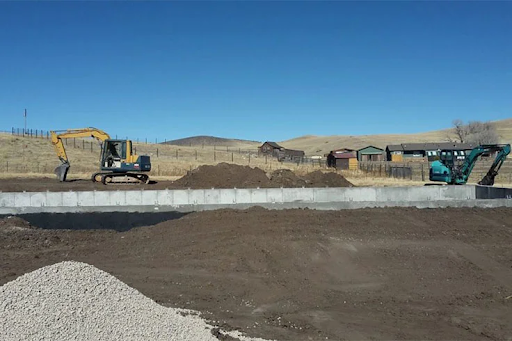
Construction Site Protection
Construction sites require temporary or permanent fencing to keep the public out and ensure worker safety.
Parking Lot Management
Fencing can guide vehicle flow, protect landscaping, and separate restricted areas.
Multifamily Housing
Apartment complexes benefit from fencing that improves resident safety while maintaining an attractive appearance.
Municipal facilities such as schools, parks, and government buildings also rely on security fencing to balance accessibility with public safety.
How Security Fencing Improves Property Value
Many property owners assume fencing is simply a protective measure. In reality, a well-designed fence can significantly improve property value.
Here are a few ways fencing contributes to long-term value:
- Improved curb appeal: A well-designed fence can complement architectural style and enhance landscaping.
- Higher property security: Buyers and tenants often prefer properties with existing security features.
- Better functionality: Fencing helps organize outdoor spaces for pets, recreation, and parking.
- Lower liability risk: Secure boundaries reduce potential safety risks and trespassing issues.
In competitive housing markets like Denver and Loveland, these factors can make a noticeable difference when selling or leasing property.
Local Considerations for Security Fencing in Denver
Before installing security fencing, property owners must follow local building codes and zoning regulations.
In the Denver area, fencing projects typically require attention to:
- Height restrictions for residential zones
- Setback requirements near sidewalks and streets
- Pool safety fencing standards
- Property line verification and surveys
- Permit approvals when required
Working with experienced local contractors can help ensure compliance with these regulations while avoiding costly mistakes.
The Role of Professional Fence Installation
While some homeowners consider installing fences themselves, professional installation often produces far better results.
A professional fencing team handles the following:
- Site evaluation and planning
- Permit coordination when necessary
- Accurate grading and alignment
- Secure concrete post installation
- Durable gate installation
These factors significantly affect how long the fence lasts and how well it performs over time.
Improper installation can lead to leaning posts, unstable gates, and premature wear.
Choosing the Right Security Fence for Your Property
Selecting the right security fencing system depends on several factors.
Here are a few important questions to ask before installing a fence:
| Question | Why It Matters |
| What is the main goal of the fence? | Security, privacy, pets, or aesthetics |
| What material works best for the property? | Durability and maintenance requirements |
| How large is the property perimeter? | Impacts design and installation cost |
| Are permits required locally? | Ensures compliance with city regulations |
| How will the fence integrate with landscaping? | Improves visual appeal |
Taking time to answer these questions helps property owners choose a fencing solution that balances protection, functionality, and appearance.
FAQs
FAQ 1. Can security fencing work with cameras or alarms?
Yes. Many properties combine fencing with cameras or alarm systems for better overall security.
FAQ 2. Does security fencing need maintenance?
It depends on the material. Wood may need sealing, while metal or PVC fences usually need only occasional cleaning and inspections.
FAQ 3. Can security fencing be customized?
Yes. Fence height, materials, gates, and layout can be customized to match property size and design.
Investing in Long-Lasting Security Fencing
Understanding what security fencing is helps property owners choose the right solution to protect their homes and businesses. A well-built fence improves security, privacy, and property value while clearly defining boundaries.
With proper materials and professional installation, security fencing can serve your property for many years. For dependable fencing solutions in the Denver area, trust Concrete and Excavating Inc.
Contact their team today to discuss your fencing project and get a reliable, long-lasting installation.