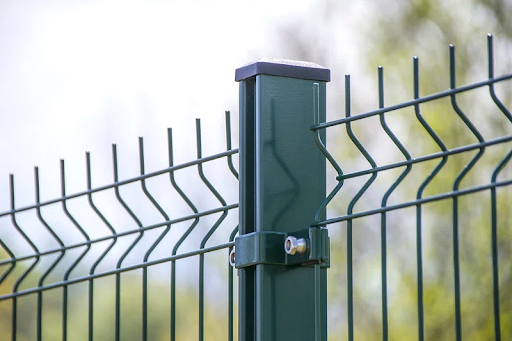
If you have ever searched online for what security fencing is, you are likely thinking about safety, privacy, or protecting a valuable investment. Security fencing refers to fence systems specifically designed to deter unauthorized access, reduce liability risks, and create controlled entry points around a property.
In this guide, we will break down what security fencing really means, how it differs from other fence types, why it matters in Colorado, and when it makes sense to hire a professional contractor.
Why Security Fencing Matters More Than Ever
Property protection is not a minor concern. According to recent data, there were over 770,000 reported burglaries in the United States in 2024, with a large portion involving residential properties (source). While crime rates fluctuate year to year, property security remains a top priority for homeowners and commercial property owners alike.
Colorado has experienced steady population growth over the past decade. The U.S. Census Bureau estimates that Colorado’s population has grown by hundreds of thousands of residents (source). More development often means more construction sites, more rental properties, and more equipment and materials that need protection.
Security fencing is one of the first and most visible layers of defense. It serves three key functions:
- Deterrence
- Access control
- Liability reduction
A well-built fence signals that a property is monitored and maintained. That alone can discourage opportunistic trespassing.
What Is Security Fencing, Exactly?
At its core, security fencing is any fence system engineered to:
- Prevent or delay unauthorized entry
- Withstand cutting, climbing, or impact
- Control entry and exit points
- Meet local safety and building codes
Security fencing is commonly used for:
- Residential properties
- Commercial buildings
- Construction sites
- Warehouses
- Multi-family housing
- Municipal facilities
In Denver and surrounding cities like Loveland, fencing projects must comply with local building codes, including height restrictions, setback rules, and, in some cases, visibility requirements for corners and driveways.
Types of Security Fencing
Not all security fences look the same. The right solution depends on the property type, budget, and level of risk. Below is a comparison of common security fence options.
| Fence Type | Best For | Key Security Features | Maintenance Level |
| Chain Link with Privacy Slats | Commercial and industrial | Difficult to break, optional barbed wire, visibility control | Low |
| Ornamental Steel | Residential and commercial | Strong welded panels, anti-climb design | Low to moderate |
| Wood Privacy Fence | Residential | Blocks visibility, solid panels | Moderate |
| Vinyl or Composite | Residential and multi-family | Durable, no rot, minimal gaps | Low |
| Temporary Construction Fencing | Job sites | Portable panels, controlled site access | Low during project |
For commercial perimeter security fencing, heavy-duty chain link with reinforced posts set in concrete is one of the most common choices. For homeowners, a tall privacy fence can serve both security and lifestyle goals by creating a secluded outdoor space.
Security Fencing for Denver Homes
Homeowners in Denver often choose security fencing for reasons beyond crime prevention. These include:
- Pet containment
- Child safety
- Pool and spa code compliance
- Property line definition
- Reducing neighborhood disputes
For example, pool fencing must meet specific height and gate latch requirements to comply with safety regulations. A properly installed fence reduces liability and helps prevent accidents.
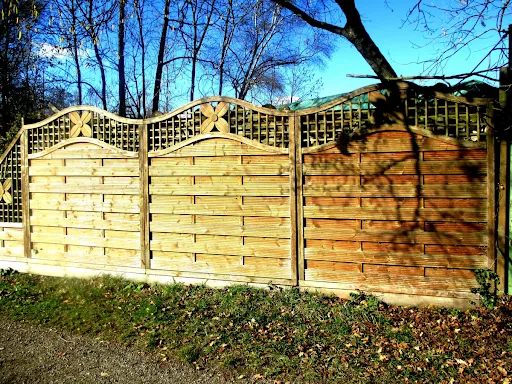
Wood fencing remains popular in residential neighborhoods because it balances privacy and curb appeal. Pressure-treated pine can last 15 to 20 years, while cedar can last 20 to 30 years with proper maintenance. Vinyl and composite fencing systems can last 25 to 35 years with minimal upkeep, making them a long-term investment.
In Colorado’s climate, where snow, sun exposure, and freeze-thaw cycles are common, professional post installation in concrete footings is critical. Poor installation leads to leaning posts and premature failure.
Commercial Security Fencing in the Front Range
For commercial property owners and contractors, security fencing is often about protecting assets and managing liability.
Construction site theft remains a costly issue nationwide. Equipment, copper wiring, and building materials are frequent targets. A secure perimeter with controlled gates can significantly reduce risk.
Here is how commercial fencing supports business operations:
| Application | Security Benefit | Business Impact |
| Warehouse Perimeter | Limits unauthorized access | Reduces theft risk |
| Parking Lot Fencing | Controls vehicle flow | Improves safety |
| Multi-Family Housing | Protects shared spaces | Increases tenant satisfaction |
| Municipal Facilities | Protects public property | Ensures public safety compliance |
In areas like Denver and Loveland, commercial fencing must also align with municipal codes and zoning laws. Hiring a local, licensed, and insured contractor helps ensure compliance from the start.
The Role of Concrete in Security Fencing
One aspect many property owners overlook is the foundation of a fence. Security fencing is only as strong as its posts.
Concrete footings provide:
- Structural stability
- Resistance to frost heave
- Long-term durability
- Reduced post-movement
In Colorado’s variable soil conditions, proper excavation and fine grading are just as important as the fence panels themselves. Without correct grading, water drainage issues can weaken fence lines over time.
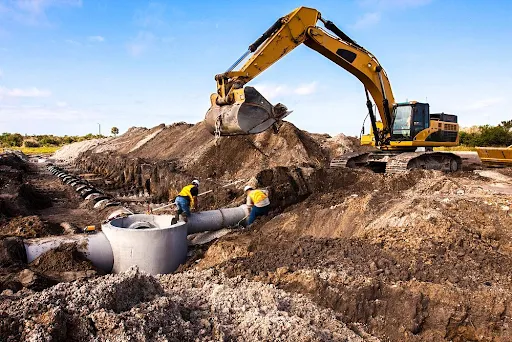
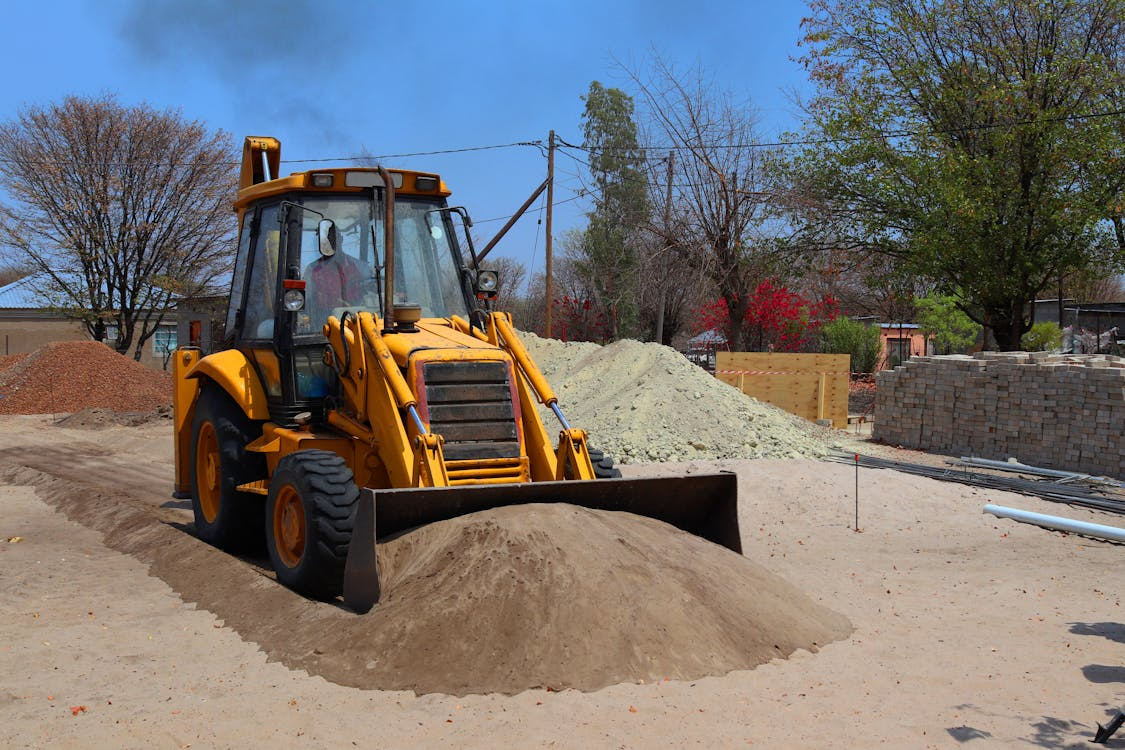
A company that handles both fencing and site preparation under one roof simplifies the process. Excavation, grading, and concrete post installation work together to create a durable, long-lasting system.
Signs You May Need Security Fencing
If you are unsure whether security fencing is right for your property, consider the following:
- You have experienced trespassing or vandalism
- You store tools, equipment, or vehicles outdoors
- You manage a multi-family property
- You are starting a construction project
- You want to improve privacy and boundary clarity
Security fencing is not always about reacting to a problem. Often, it is a proactive investment that increases property value and peace of mind.
Cost Considerations
Costs vary depending on materials, height, terrain, and project size. In general:
- Chain link is typically more affordable than ornamental steel
- Wood privacy fences vary based on lumber type
- Decorative or custom designs increase material and labor costs
- Sloped or uneven terrain may require additional grading
While upfront costs matter, long-term durability and reduced maintenance can save money over time. Choosing high-quality materials and professional installation reduces the likelihood of expensive repairs later.
Choosing the Right Contractor in Denver
When selecting a fencing contractor in Denver or Loveland, look for:
- Local licensing and insurance
- Experience with Denver building codes
- Transparent pricing
- In-house excavation and concrete services
- Strong local references
A contractor who understands soil conditions, frost depth requirements, and proper grading techniques will deliver better results than a one-size-fits-all installer.
Protecting Your Property the Right Way
When people ask what security fencing is, they are really asking how to better protect what matters most. For homeowners and property managers across Denver and the Front Range, the answer is a strong, well-installed fence built to last.
Concrete and Excavating Inc. combines expert installation with concrete, grading, and site preparation services to deliver dependable results from the ground up. Their experienced local team makes the process clear and stress-free.
If you are ready to improve safety and peace of mind, contact Concrete and Excavating Inc. today to schedule a consultation and get started.