Before choosing a contractor, you should clearly understand, “What is concrete flatwork?” Once you see how it shapes driveways, patios, and commercial spaces, you realize it is more than poured cement; it is planned ground-level construction designed for strength, usability, and everyday movement, with durability both outdoors and indoors.
Breaking Down the Core Idea Behind Flatwork
When people ask, “What is concrete flatwork?” They typically refer to horizontal concrete surfaces that support daily activities. Unlike vertical concrete structures, flatwork focuses on surfaces you walk, drive, or stand on.
Ground-Level Construction That Works for You
Flatwork involves carefully poured concrete slabs that create smooth, level, or slightly sloped surfaces. These surfaces are designed to handle weight; weather changes and constant movement can occur without premature cracking.
Why Precision Matters in Flatwork
Flat surfaces may look simple, but they require accurate grading, reinforcement, and finishing. When you partner with a trusted service, professionals ensure that the slab thickness, slope, and reinforcement match the expected use of the space.
Residential Concrete Flatwork That Shapes Your Property
If you own a home, you already interact with concrete flatwork every day. What is concrete flatwork? It becomes clearer when you examine the surfaces around your property.
According to Mordor Intelligence, in 2025, around 6 out of 10 residential construction projects invested in low-maintenance surfaces.
Driveways That Handle Daily Traffic
A residential driveway must support vehicle loads repeatedly. Professionals design durable driveways with the right thickness, reinforcement, and slope so water drains away instead of weakening the slab.
Patios That Extend Your Living Space
Concrete patios allow you to transform unused backyard areas into functional outdoor rooms. Whether you host gatherings or relax outside, professionally installed patios combine durability with visual appeal.
Sidewalks and Walkways for Safe Movement
Walkways guide how people move across your property. Contractors create pathways with the right texture for slip resistance and slopes that prevent water accumulation.
Garage Floors Built for Heavy Use
Garage floors endure vehicle weight, oil spills, and temperature changes. Reinforced concrete flatwork provides a long-lasting, level surface that stays structurally stable.
Pool Decks Designed for Comfort and Safety
Pool areas require slip-resistant textures and surfaces that stay cooler under bare feet. Skilled installers understand. What is concrete flatwork? translates into safe, practical outdoor environments.
Commercial Concrete Flatwork for High-Demand Spaces
In commercial environments, what is the concept of concrete flatwork? becomes even more performance-focused. Businesses rely on durable surfaces that support heavy traffic and operational efficiency.
Parking Lots That Manage Heavy Vehicles
Commercial parking areas must withstand constant vehicle movement. Contractors design reinforced slabs and drainage systems so the surface remains strong under daily stress.
Loading Docks for Industrial Activity
Warehouses and distribution centers depend on stable loading docks. Reinforced flatwork ensures forklifts, trucks, and equipment can operate safely without damaging the surface.
Warehouse Floors That Stay Level
Large industrial floors require strategic joint placement to control cracking. Professional installers plan expansion joints carefully so large slabs remain stable over time.
Retail Entrances That Create First Impressions
Customers notice entrances before anything else. Smooth sidewalks and clean concrete surfaces communicate professionalism and accessibility.
Municipal Infrastructure Projects
Public sidewalks, curbs, and civic pathways must meet strict standards. What is concrete flatwork? helps municipalities build infrastructure that serves communities for decades.
The Step-by-Step Installation Process You Should Expect
When working with experienced contractors, installing flatwork follows a detailed process. Each stage ensures the finished surface performs reliably.
Site Preparation and Base Work
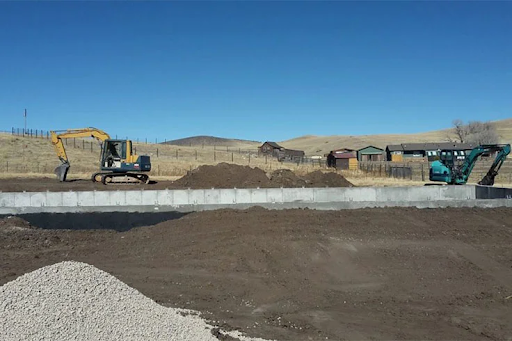
Every successful project begins with clearing the site and preparing a stable base layer. Soil is compacted, and gravel bases are added to support the slab and prevent shifting.
Grading and Drainage Planning
Grading determines how water flows away from the surface. Contractors adjust slopes so rainwater drains correctly instead of pooling.
Forming and Reinforcement
Forms outline the shape of the slab, while reinforcement materials such as rebar or wire mesh strengthen the concrete internally.
Concrete Placement and Consolidation
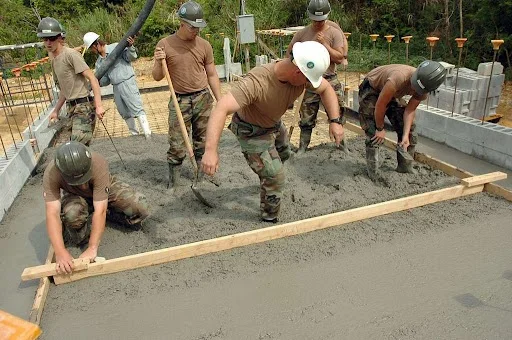
Fresh concrete is poured evenly and spread across the prepared forms. Workers ensure the mixture fills every space and removes air pockets.
Finishing and Surface Texturing
At this stage, installers smooth or texture the surface depending on the project. Driveways, patios, and sidewalks all require different finishes.
Control Joint Installation
Control joints are carefully placed lines that guide where natural cracking occurs, preventing random surface fractures.
Proper Curing and Protection
Curing allows the concrete to gain strength gradually. When someone asks, “What is concrete flatwork?” This curing phase is often overlooked but crucial for long-term durability.
Decorative Flatwork Options That Elevate Design
Concrete no longer needs to look plain. Modern flatwork offers several decorative options that improve both appearance and property value.
Stamped Concrete Patterns
Stamped concrete mimics materials like stone, brick, or tile. By pressing patterned molds into fresh concrete, installers create textured surfaces that look upscale without the cost of natural materials.
Colored Concrete Surfaces
Pigments added to the concrete mixture introduce warm or cool tones. These colors blend better with landscaping, architecture, or outdoor furniture.
Exposed Aggregate Finishes
This finish reveals small stones within the concrete mixture. The result is a textured surface that provides both visual interest and slip resistance.
Stained Concrete Designs
Concrete stains penetrate the surface to create rich, layered color variations. Homeowners often use this approach for patios and entertainment areas.
Polished Concrete for Modern Spaces
Polishing smooths and refines the surface to create a sleek appearance. Commercial buildings often use polished floors because they reflect light and resist wear.
Understanding these options helps you see “what concrete flatwork is” not just as construction but also as design.
Renovation Services That Restore Aging Concrete
Concrete surfaces eventually show wear. Instead of replacing everything, professional contractors offer restoration services that extend the life of existing flatwork.
Resurfacing and Concrete Overlays
Thin overlay layers refresh worn surfaces without removing the entire slab. This method restores appearance and durability.
Crack Repair and Sealing
Small cracks can expand if ignored. Repair specialists seal them early to prevent water infiltration and structural damage.
Slab Jacking and Leveling
Uneven concrete creates safety hazards. Slab jacking lifts sunken slabs by injecting supportive material beneath them.
Joint Repair for Structural Integrity
Control joints sometimes deteriorate over time. Restoring them helps maintain proper expansion movement.
Surface Grinding for Smooth Finishes
Grinding removes rough spots, stains, and minor imperfections, leaving a cleaner and safer walking surface.
Once you understand these repair methods, what is the concept of concrete flatwork? becomes clearer—it’s not just installation but also long-term maintenance.
Why Partnering With a Trusted Flatwork Service Matters
Even though flatwork seems straightforward, the difference between a short-lived slab and a long-lasting surface often comes down to expertise.
Experience Prevents Costly Mistakes
Skilled contractors understand soil behavior, reinforcement placement, and curing conditions. This experience prevents structural failures.
Accurate Planning Improves Longevity
Professionals analyze load requirements, drainage needs, and climate conditions before pouring concrete.
Quality Materials Make a Difference
Reliable service providers use high-grade concrete mixtures and reinforcement materials that improve strength.
Professional Finishing Enhances Durability
The finishing stage determines surface performance. Proper techniques create textures that resist slipping and wear.
Long-Term Property Value
When does someone fully understand what concrete flatwork is? They realize it plays a significant role in property durability, safety, and visual appeal.
By choosing experienced professionals, you ensure every driveway, patio, walkway, or commercial surface performs exactly the way it should.
Frequently Asked Questions
FAQ 1. Why is proper curing important for newly installed concrete flatwork surfaces?
Curing allows concrete to gain strength gradually by retaining moisture during the hardening process. Proper curing reduces cracking, improves durability, and helps the surface perform well for years.
FAQ 2. What are common signs that existing concrete flatwork may need repairs?
Visible cracks, uneven surfaces, pooling water, or surface deterioration often indicate aging flatwork. Early repairs, such as sealing, leveling, or resurfacing, help prevent more serious structural issues.
FAQ 3. What preparation steps are required before installing a concrete flatwork surface?
Before pouring concrete, contractors clear the site, compact the soil, add a gravel base, and plan proper grading. These steps help ensure stability, drainage, and long-term durability.
To Wrap Things Up
Ready to upgrade your property with durable concrete flatwork? Concrete and Excavating Inc. delivers precision, strength, and smooth finishes you can trust. Skip the cracks and uneven surfaces—choose lasting craftsmanship. Contact our team today and take the first step toward strong, reliable concrete built to support your space confidently.