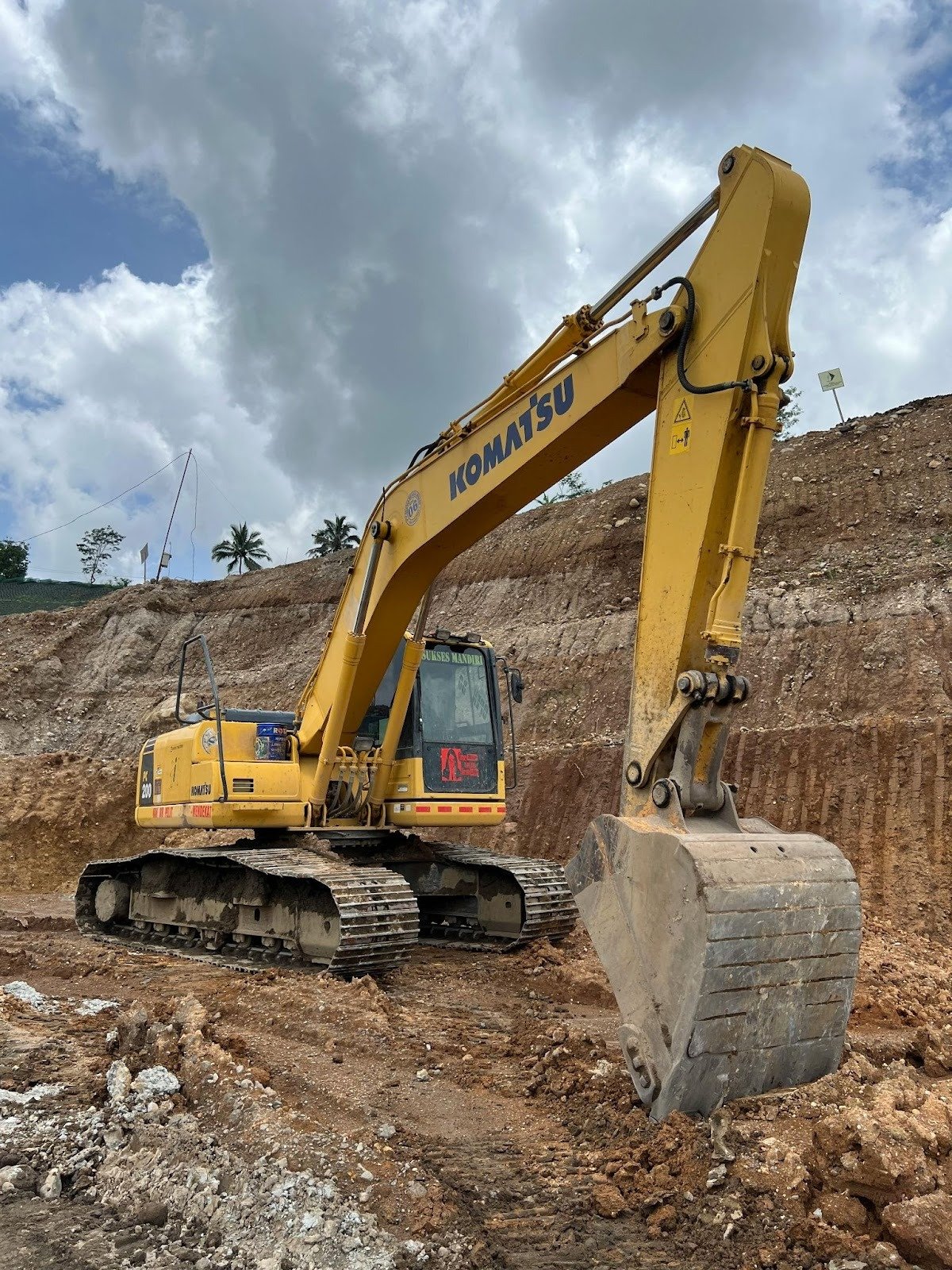
Excavation is one of the most critical steps in any construction project, yet it’s often misunderstood. Understanding what an excavating contractor does helps property owners make smarter decisions early on.
In this blog, we’ll explore the role of excavation, its impact on construction success, and why professional expertise matters before building begins.
What Does an Excavating Contractor Do? Core Responsibilities
“Taking dirt, rocks, or other things out of the ground is called excavation. It creates a construction spot ready for building roads, buildings, and other infrastructure. It can also look like digging, mining, moving things, dredging, trenching, and forestry.” (Source)
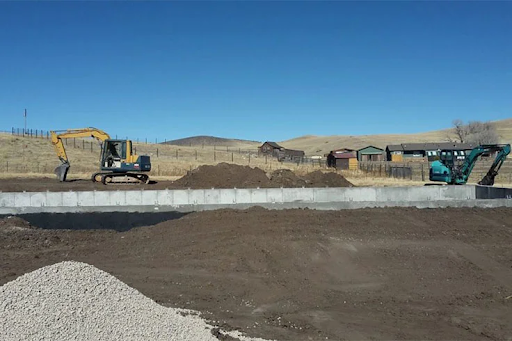
An excavating contractor plays a vital role in preparing a construction site for everything that follows. Their work goes far beyond digging—it’s about creating a stable, well-planned foundation for long-term success.
Here’s what that typically includes:
- Site Evaluation & Planning
Assessing soil conditions, slope, drainage, and access before work begins.
- Land Clearing & Grading
Removing debris, rocks, and vegetation, then leveling or sloping the land to meet project requirements.
- Trenching & Utility Preparation
Creating precise trenches for water lines, sewer systems, electrical conduits, and drainage.
- Soil Compaction & Stabilization
Compacting soil properly to prevent future settling, shifting, or foundation cracks.
- Drainage & Erosion Control
Shaping the land to direct water away from structures and reduce erosion risks.
- Coordination with Concrete and Construction Phases
Ensuring excavation aligns perfectly with foundation and concrete work.
When done correctly, excavation sets the tone for safety, durability, and cost control. Poor excavation can lead to drainage issues, uneven foundations, and expensive repairs later.
The Importance of Excavation in Construction Projects
Excavation is the groundwork that determines how well a structure will perform over time.
According to the facts, “Poor site preparation can cause water pooling, which harms construction and the finished project. Effective drainage systems can manage water flow and prevent erosion and flooding during excavation.” —Dutable
Proper excavation ensures the soil can support the building’s weight and prevents future structural problems.
Here’s why excavation is so important in construction:
- Provides Structural Stability
Correct depth, grading, and soil preparation help foundations remain strong and level.
- Improves Drainage and Water Flow
Proper sloping and trenching reduce the risk of water pooling around foundations.
- Prevents Long-Term Damage
Well-executed excavation minimizes issues like cracking, settling, and soil movement.
- Supports Safe Utility Installation
Accurate trenching protects underground lines and reduces future repair risks.
- Enhances Project Longevity
A stable, well-prepared site extends the life of concrete and structural elements.
Ultimately, the importance of excavation in construction lies in protecting your investment.
Excavating Contractor vs. DIY or General Labor: Key Differences
Many property owners consider handling excavation themselves or hiring general labor to save money. While this may seem cost-effective upfront, the long-term risks often outweigh the short-term savings.
| Aspect | Excavating Contractor | DIY/General Labor |
| Technical Knowledge | Trained in soil types, grading, and drainage | Limited or no technical understanding |
| Equipment Used | Professional-grade excavation and compaction machinery | Basic or rented tools |
| Accuracy & Safety | Precise depth, slope, and soil preparation | Higher risk of errors and safety issues |
| Drainage & Stability | Designed to prevent water and settlement problems | Often overlooked or improperly handled |
| Long-Term Cost Impact | Fewer repairs and structural issues | Higher risk of costly fixes later |
Choosing a professional excavating contractor helps ensure the work is done right the first time. While DIY excavation may work for very small projects, professional excavation provides reliability, safety, and peace of mind for most construction needs.
When You Get Expert Guidance
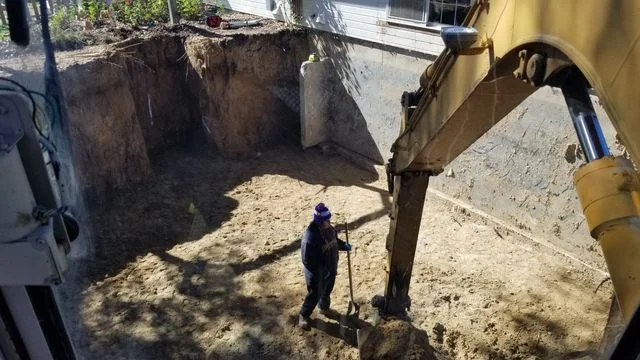
Not all excavation work is the same. Local soil conditions, drainage patterns, and coordination with concrete work can significantly impact results. This is where working with an experienced, full-service excavating contractor adds real value and safety.
Concrete and Excavating Inc. brings both excavation and concrete expertise under one roof, allowing for better planning, smoother transitions between phases, and fewer costly mistakes.
Our hands-on approach, proper equipment, and understanding of local construction needs help ensure sites are prepared correctly from the start—setting projects up for long-term stability and success.
According to occupational safety research (PMC), “dangers like trench collapse, unstable soil, and water accumulation pose serious risks if not planned and supported correctly.”
That’s why choosing an excavation contractor with proven safety and compliance experience matters.
Because excavation isn’t just about digging—it’s about protecting your entire construction investment and environment.
Frequently Asked Questions (FAQs)
- What does an excavating contractor do before construction begins?
An excavating contractor evaluates the site, checks soil conditions, plans grading, and identifies drainage or utility requirements. This preparation ensures the land is ready to safely support foundations, concrete work, and structures without future issues.
- Why is excavation important in construction projects?
The importance of execution in construction lies in stability and safety. Proper excavation prevents soil movement, water pooling, and uneven foundations, helping structures last longer and perform better.
- How long does excavation usually take?
Timelines depend on site size, soil conditions, and project scope. Small residential jobs may take a few days, while larger projects can take longer. Proper planning helps avoid delays.
- Can excavation be done without professional equipment?
While small tasks may be handled with basic tools, most excavation requires specialized machinery for accuracy, safety, and efficiency. Professional equipment helps achieve correct depth, compaction, and drainage.
- What happens if excavation is done incorrectly?
Improper excavation can lead to drainage problems, foundation movement, cracks in concrete, and costly repairs. That’s why professional excavation is critical for long-term project success.
Wrapping Up
Understanding what an excavating contractor does and the importance of excavation in construction makes it clear that this step is too critical to overlook. Proper excavation protects your structure, controls costs, and helps every phase of construction move forward smoothly.
That’s where Concrete and Excavating Inc. offers the experience, equipment, and local knowledge needed to get the job done right the first time.
Get started with confidence—connect with Concrete and Excavating Inc. today!