When you start a residential or commercial construction project, everything depends on what happens below the surface. Before walls go up and concrete is poured, the ground must be carefully prepared. That’s where excavation services come in.
Let’s explore what excavation services are and how they help you complete residential and commercial projects safely without failures.
Why Is Understanding Excavation Services Important?
When you understand excavation services, you make smarter decisions for your project. You can:
- Prevent costly delays
- Avoid structural failures
- Ensure proper drainage
- Meet local building codes
- Improve overall safety
For example, “Excavation contractors are thriving on infrastructure and industrial expansion, fueled by federal investment and rising demand for data centers and manufacturing, driving steady growth at a strong 7.1% CAGR.” (According to IBIS)
Excavation is not just digging. It is a technical, highly planned process that prepares the land for construction. When done correctly, it protects your investment and ensures your project stands strong for decades.
What are excavation services?
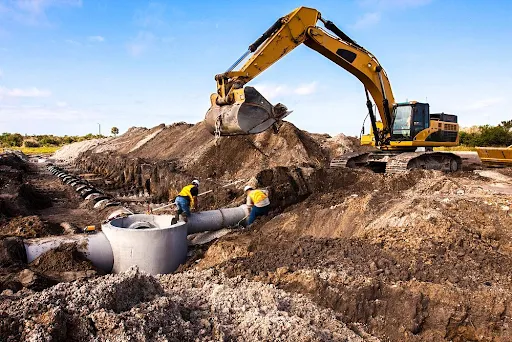
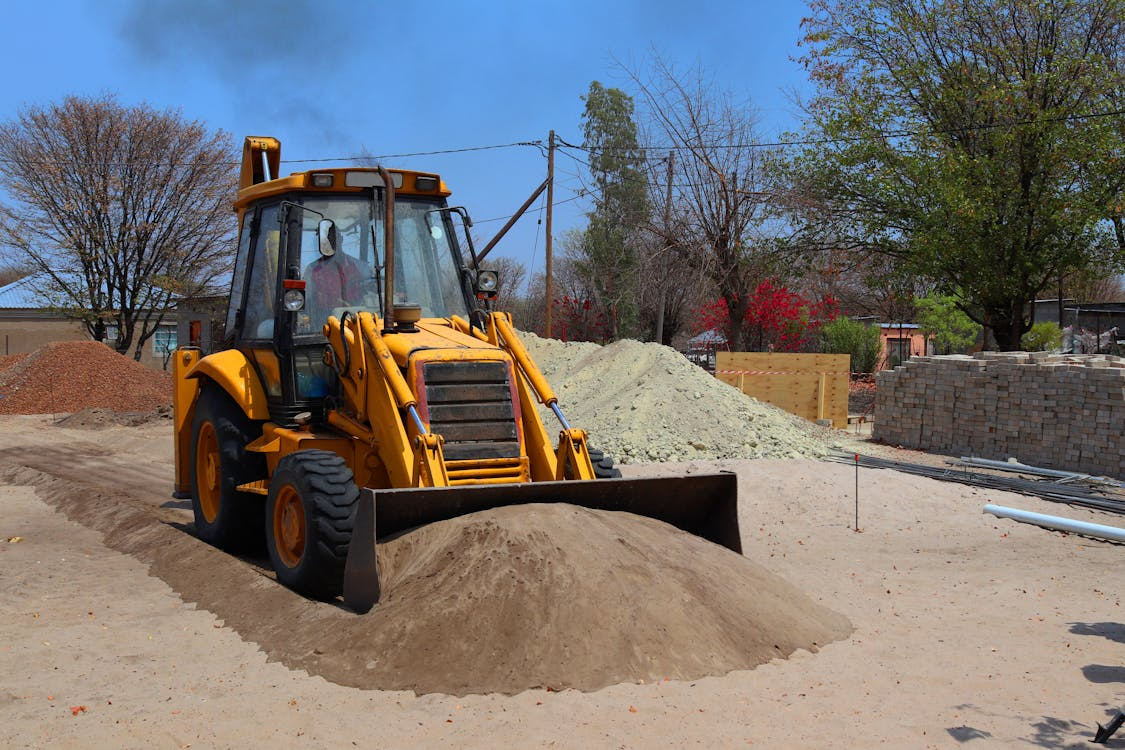
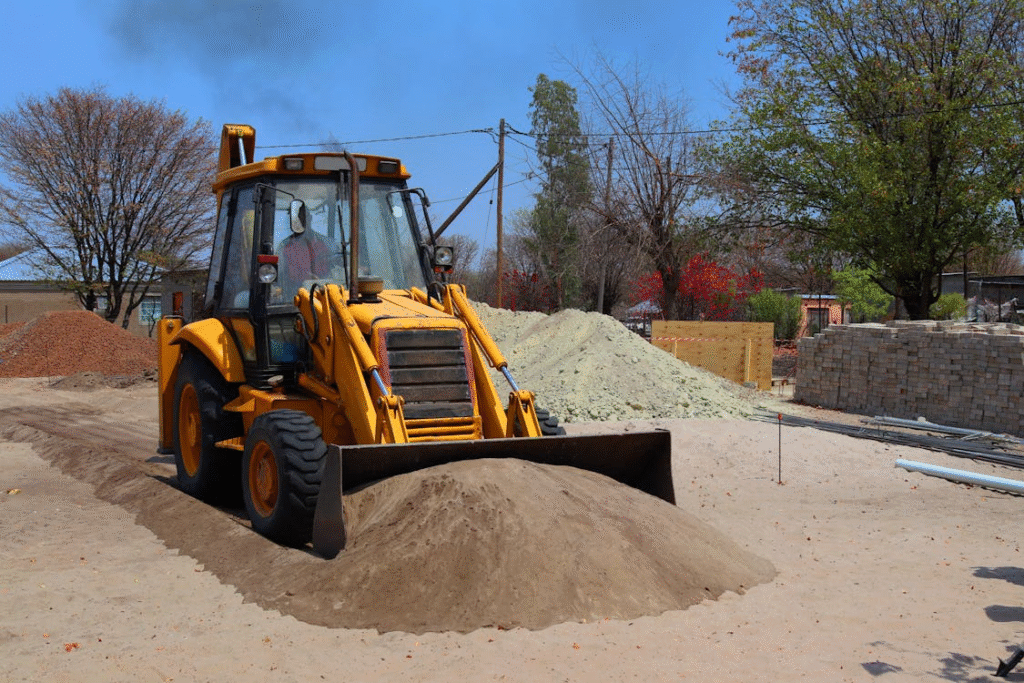
Excavation services involve the controlled removal of soil, rock, and debris to prepare land for construction. This process includes site clearing, grading, trenching, soil stabilization, and foundation preparation. It is not simply digging it is a carefully engineered operation designed to create a stable, level, and secure base for your structure.
For example, “precise excavation depends on technique and energy control. Optimizing blast design and contour methods improves rock breakage, wall stability, and final profiles in open-pit and underground projects for safer, high-quality results.” (Information from MDPI)
Excavation shapes the land to match architectural and engineering plans. Without it, foundations cannot be properly set, drainage systems cannot function correctly, and utilities cannot be safely installed.
How Excavation Services Help You Finish Residential and Commercial Projects Safer With 7 Must-Know Facts!
- Every Project Requires a Unique Excavation Plan
Soil composition, land slope, groundwater levels, and surrounding structures all influence how excavation must be handled. A residential home built on soft soil requires a different approach than a commercial building constructed on rocky terrain.
For example, “Heavy rainfall and humidity demand smart foundation design. Deep piles reach stable soil, raft foundations spread loads, and raised crawlspaces prevent moisture damage, mold, rot, and long-term structural deterioration in saturated ground conditions. (According to the Housing News)
Furthermore, the case study from ICE examines a staged Manhattan excavation supported by secant pile walls, showing that calibrated 2D finite-element models accurately predicted wall deflections consistent with inclinometer measurements.”
Professional excavation begins with site evaluation and soil analysis. When excavation is customized to your specific project, you reduce the risk of foundation movement and structural instability.
- Soil Testing Determines Long-Term Stability
Soil is not just dirt; it directly affects the strength of your building. Without testing and preparation, your foundation can shift over time. Excavation services often include soil testing and compaction.
For instance, “excavation safety standards require soil classification as Stable Rock, Type A, B, or C based on strength, stability, and moisture conditions to prevent collapses and ensure secure, compliant trenching operations.” (According to OSHA)
Weak or unsuitable soil may be removed and replaced. Compaction ensures the ground is tightly packed to prevent future settling. This step plays a major role in preventing cracks, sinking, and uneven structural stress.
- Proper Grading Prevents Water Damage
Improper grading can cause water to pool around your foundation, seep into basements, or weaken structural supports.
For example, “if excavation disrupts natural drainage like streams, use diversion ditches or barriers to block water entry and protect nearby areas. After heavy rain, a competent inspection must ensure proper runoff control and safety compliance.” (Information from OSHA)
Excavation shapes the land to direct water away from your building. By creating the correct slope and drainage pathways, professionals ensure rainwater flows safely away from foundations and parking areas.
- Excavation Ensures Safe Utility Installation
Excavation creates carefully measured trenches that allow these utilities to be installed safely and efficiently. If trenching is done incorrectly, utilities may shift, leak, or interfere with one another.
Additionally, “prevent trench collapses through proper planning, soil evaluation, utility marking, protective systems, trained competent supervision, safe spoil placement, engineering controls for deep trenches, traffic management, and a clear emergency action plan.” (According to OCD)
Accurate excavation prevents future maintenance issues and ensures that essential services function properly for years to come. This is especially important in commercial projects where infrastructure demands are higher
- Safety is a Core Part of Excavation
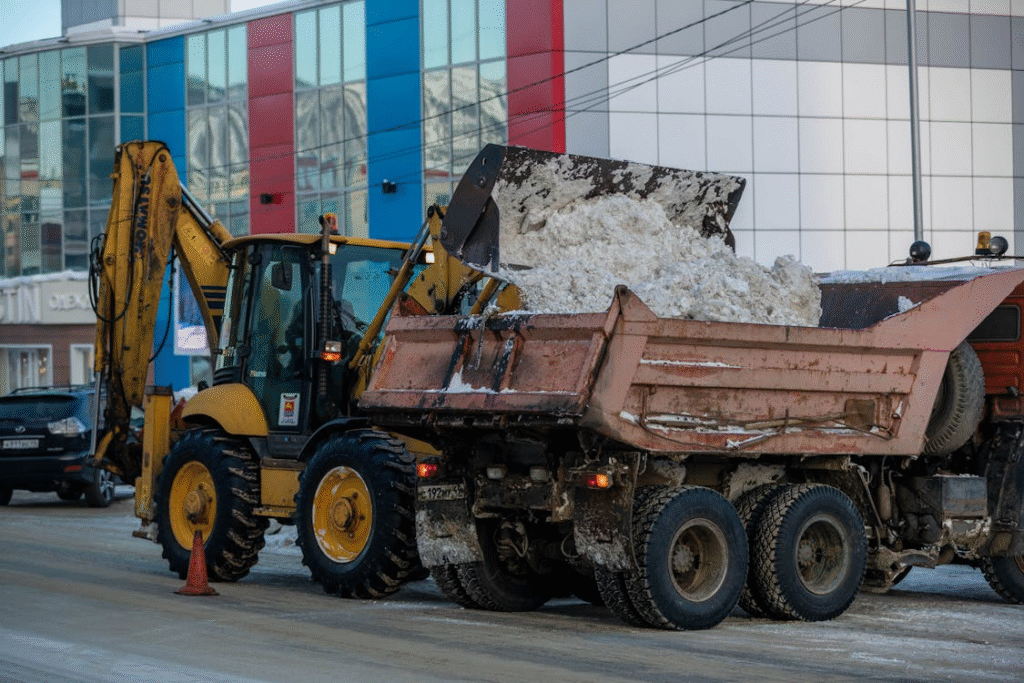
Excavation involves heavy machinery, deep trenches, and shifting soil. Without proper safety measures, the risk of accidents increases significantly. Professional excavation services follow strict safety standards to prevent trench collapses, equipment hazards, and soil instability.
Safe excavation protects workers, neighboring properties, and the structure itself. Stabilizing trench walls, controlling erosion, and carefully operating machinery all contribute to a secure job site.
- Precision Excavation Saves Time and Money
If excavation depths are incorrect or grading is uneven, the foundation may need to be adjusted or redone. These corrections increase labor costs and extend project timelines.
Modern excavation uses advanced equipment and precise measurement tools to ensure accuracy. When the groundwork is completed the first time correctly, the next stages of construction proceed without interruption.
- Quality Excavation Increases the Lifespan of Your Building
The quality of excavation directly impacts the durability of your structure. A stable, well-compacted base distributes weight evenly and reduces stress on the foundation.
For example, “proper excavation creates a level, debris-free site, strengthens foundation stability, and ensures effective drainage, preventing cracks, settling, flooding, and long-term structural damage in residential and commercial construction projects.” (According to the Iway Magazine)
When excavation is handled professionally, your building stands stronger for decades. You minimize future repair costs and maximize long-term performance.
FAQs
- Why Are Excavation Services Essential for Construction?
Excavation services create a stable, level base for your structure. They prevent foundation cracks, drainage problems, and soil shifting. Proper excavation ensures your residential or commercial project starts safely and meets building standards, protecting your investment long-term.
- How Does Excavation Improve Project Safety?
Excavation improves safety by stabilizing soil, preventing trench collapses, and ensuring proper grading. It reduces risks from water damage and underground utility conflicts. A professionally prepared site protects workers, nearby properties, and the future structure.
- What Problems Occur Without Proper Excavation?
Without proper excavation, you may face foundation settlement, basement flooding, poor drainage, cracked walls, and utility failures. These issues lead to costly repairs and delays. Quality excavation prevents structural instability and ensures long-term durability.
Why Concrete and Excavating Inc. Is the Best Choice!
Now you understand what excavation services are and how important they are for a safe and successful project. From soil testing to drainage and trenching, proper excavation protects your investment and prevents costly failures. With a trusted partner like Concrete and Excavating Inc., you build on solid ground that lasts for years.