Choosing the right foundation is a big decision when planning any build. Understanding what a concrete slab foundation is and how the different options work can help you avoid costly mistakes later.
In this blog, we’ll explore types of concrete slab foundations, know their pros and cons, and guide you toward the best suitable option for your project.
What is a Concrete Slab Foundation?
To make the right foundation choice, it’s important to first understand what a concrete slab foundation is and why it’s so widely used in residential and light commercial construction.
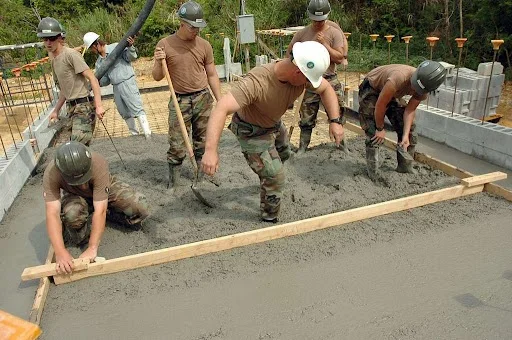
A concrete slab foundation is a single, thick layer of concrete poured directly onto prepared ground. It serves as both the base of the structure and the finished floor surface.
According to NAHB, “Slab foundations can last for decades if they are built correctly on land that is level. Mold, mildew, and pest damage can’t happen to slab foundations, which makes them last longer.”
Here’s what defines a well-built concrete slab foundation:
- Proper excavation and grading to create a level, stable surface
- Compacted soil or gravel base for load support
- Reinforcement such as rebar or wire mesh to reduce cracking
- Carefully poured and cured concrete for long-term strength
Different projects require different approaches, which is why understanding the types of concrete slab foundations matters. The right slab depends on soil conditions, drainage needs, building size, and long-term durability expectations.
Main Types of Concrete Slab Foundations
Now that you understand what a concrete slab foundation is, let’s look at the most common types of concrete slab foundations and how each one serves different building needs.
Knowing these options makes it easier to compare and choose the right foundation for your project.
- Monolithic Slab Foundation
This is one of the most commonly used slab foundations for residential construction. It’s a single continuous process where concrete is poured all at once, including both slab and footings.
Pros:
Faster installation time
Lower labor costs
Fewer joints, which can reduce weak points
Cons:
Limited access to plumbing once installed
Repairs can be more difficult if issues arise late
Best Suited for:
Smaller homes, garages, and straightforward builds on stable, level ground.
- Stem Wall Slab Foundation
This type of foundation uses footings and short vertical walls (stem walls) to support the slab above ground level.
Pros:
Better protection against moisture and drainage issues
Allows for elevation on sloped or uneven land
Provides stronger structural support
Cons:
Higher upfront cost
Requires more excavation and labor
Best Suited for:
Residential homes, uneven terrain, and areas needing improved drainage.
- Floating Slab Foundation
A floating slab “floats” directly on the ground without deep footings, allowing it to move slightly with soil conditions.
Pros:
Flexible and cost-effective for light structures
Handles minor soil movement better
Simple design with fewer materials
Cons:
Not ideal for heavy buildings
Limited load-bearing capacity
Best Suited for:
Sheds, workshops, patios, and detached structures.
Understanding these types of concrete slab foundations helps you compare options based on durability, cost, and long-term performance—key factors when deciding which foundation best fits your project.
Which Slab Foundation Fits Your Project?
With multiple options available, comparing the types of concrete slab foundations side by side makes the decision much clearer.
Each foundation type performs differently based on soil, structure size, and long-term use.
| Foundation Type | Best for | Key Advantage | Main Limitation |
| Monolithic Slab | Small to medium residential builds | Cost-effective and quick installation | Limited access for future repairs |
| Stem Wall Slab | Homes on uneven or sloped land | Strong support and improved drainage | Higher upfront cost |
| Floating Slab | Light-use structures and patios | Flexible with minor soil movement | Not suitable for heavy loads |
While this table simplifies the comparison, the right choice still depends on factors like soil condition, drainage, climate, and building weight.
That’s why understanding what a concrete slab foundation is is only part of the process—choosing the right type requires careful evaluation of your specific site and long-term goals.
Not sure which slab is right for your Colorado property? Schedule a site assessment with Concrete and Excavating Inc. to get a professional, project-specific recommendation.
Key Factors That Help You Choose the Right Slab Foundation
Choosing between the different types of concrete slab foundations isn’t just about cost—it’s about how well the foundation will perform over time.
Here are the most important factors homeowners and property owners should consider:
- Soil Condition
“You need to make sure the soil is good because if it’s not, the base could sink or settle because the soil isn’t mixed well.” —Civil Today
Stable soil supports most slab types, while softer or shifting soil may need a more reinforced option.
- Drainage and Moisture Control
Proper grading and elevation help prevent water-related issues.
- Climate Considerations
Freeze-thaw cycles can impact slab durability if not planned correctly.
- Building Size and Load
Heavier structures require stronger support and deeper preparation.
- Future Use and Maintenance
Some slab types are easier to maintain or repair than others
Understanding what a concrete slab foundation is and how these factors influence performance helps you move from guesswork to confident decision-making—especially when planning a long-term investment.
How Professional Experience Makes a Difference
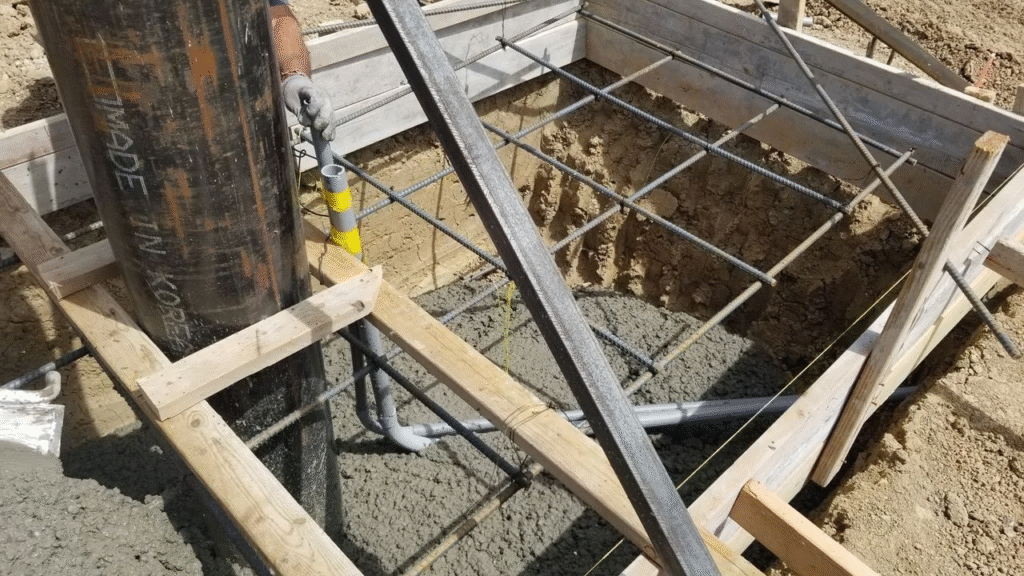
Even after understanding what a concrete slab foundation is and knowing the types of concrete slab foundations, the success of your project ultimately depends on how well the work is executed. This is where professional experience truly matters.
A properly installed slab foundation requires more than just pouring concrete. It involves:
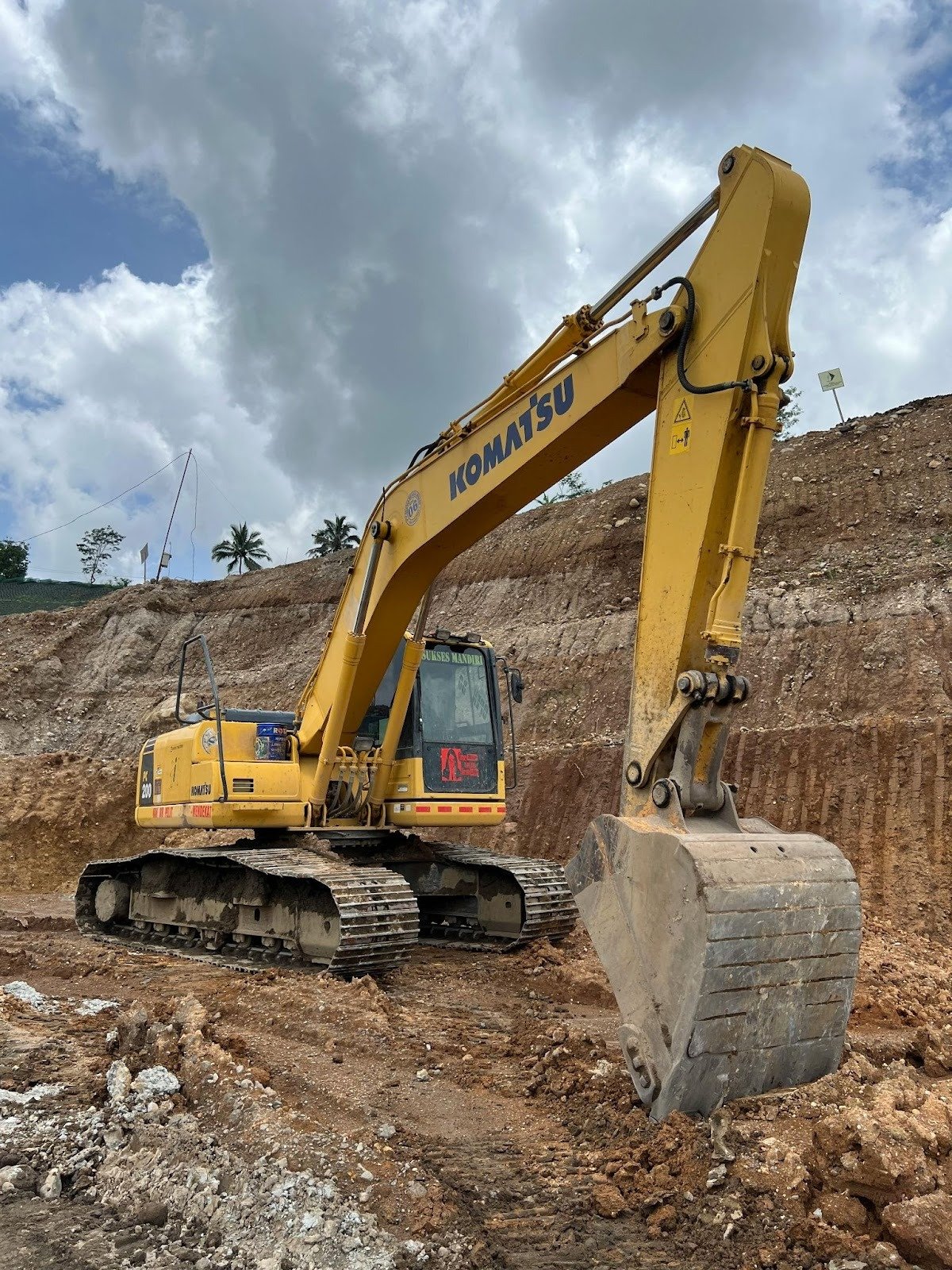
- Accurate excavation and grading to ensure long-term stability
- Correct soil compaction to prevent settling or shifting
- Proper reinforcement placement to reduce cracking
- Attention to drainage and moisture control from day one
- Consistent concrete quality and curing methods
Our combined expertise in excavation and concrete work allows us to manage the entire foundation process seamlessly—from site preparation to final pour.
Frequently Asked Questions (FAQs)
- Which type of concrete slab foundation is the most durable?
Durability depends on soil conditions, drainage, and proper installation. Stem wall slab foundations are often considered the most durable for residential homes.
- Can concrete slab foundations crack over time?
Yes! Minor cracking can occur due to natural settling and temperature changes. However, proper reinforcement, control joints, and correct curing greatly reduce the risk of serious structural issues.
- How long does it take to install a concrete slab foundation?
Most slab foundations can be completed within a few days, depending on site preparation, size, and weather conditions. Proper excavation and planning help keep timelines efficient.
- Are concrete slab foundations suitable for colder climates?
Yes! When designed correctly. Proper insulation, drainage, and concrete mix selection help slab foundations perform well in freeze-thaw conditions.
Wrapping Up
Understanding what a concrete slab foundation is and the types of concrete slab foundations gives you a strong starting point—but making the right choice goes beyond theory.
Soil conditions, drainage, climate, and proper installation all play a major role in long-term performance. This is why many homeowners choose to work with Concrete and Excavating Inc.
Contact Concrete and Excavating Inc. now to know more about concrete slab foundations!