Concrete is one of the most widely used building materials in the Denver region, prized for its durability, versatility, and relatively low maintenance needs. But whether you’re installing a new driveway, renovating a basement, or preparing a warehouse floor, one foundational step often makes or breaks the outcome: concrete surface preparation.
In this blog, we’ll explore what concrete surface preparation really means, why it’s essential, how it compares across common methods, and why Denver homeowners, builders, and contractors should pay close attention to it.
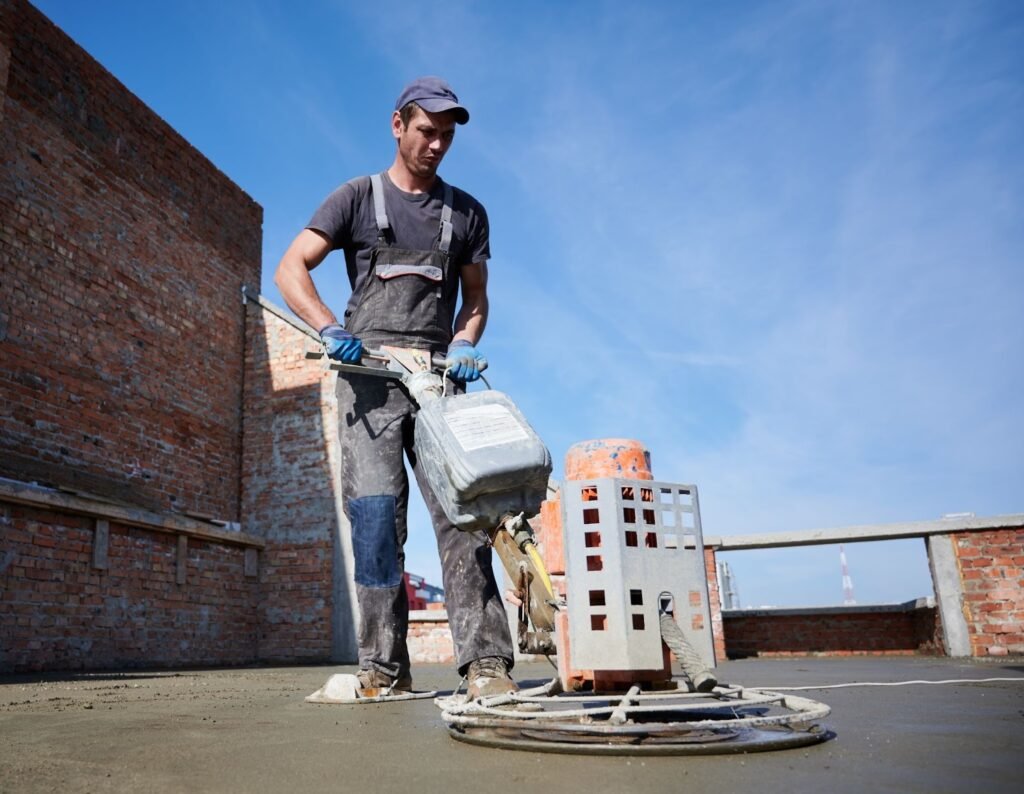
What Is Concrete Surface Preparation?
Concrete surface preparation is the process of cleaning, profiling, repairing, and testing a concrete slab before installing coatings, overlays, or finishing the surface. This can include tasks like removing dirt and stains, grinding down irregularities, checking moisture levels, and ensuring the surface is ready for whatever treatment comes next.
Think of it as getting the foundation right before you build or improve anything on top of it. If the surface isn’t ready, even high-quality concrete coatings, polished finishes, or topcoats won’t perform as expected and can fail prematurely. The majority of coating failures can be traced back to inadequate surface preparation (source).
Why It’s Especially Important in Denver
Denver’s climate can be tough on concrete. Seasonal freeze-thaw cycles, snow, ice, and road salts all contribute to wear, scaling, and surface damage if not properly addressed. That’s why surface preparation is more than cosmetic; it’s about performance and longevity.
Proper preparation:
- Improves adhesion for coatings, sealants, and overlays.
- Eliminates contaminants like oils, dust, and curing compounds that can hinder bonding.
- Helps manage moisture, a common source of coating failure.
- Reduces risk of cracks, delamination, and future repairs.
In simple terms, a poorly prepared surface is a weak surface. Investing time upfront prevents problems later.
Common Methods of Surface Preparation
Below is a comparison of the most common surface preparation techniques used today.
| Technique | Best For | Pros | Cons |
| Grinding | Smooth, flat profiles; polishing prep | Precise control, removes surface laitance | Time-intensive on large areas |
| Shot Blasting | Industrial and commercial floors | Fast, creates textured profile for coatings | Requires specialized equipment |
| Scarifying | Rough or heavily textured surfaces | Effective on thick overlays and contaminants | Less precise than grinding |
| Acid Etching | Light cleaning | Lower equipment cost | Can be inconsistent, chemical handling concerns |
Each method has its place. For residential garages or patios, grinding may be sufficient. For large commercial or industrial spaces needing coatings or heavy finishes, shot blasting or scarifying might be more effective.
What Happens If You Skip Proper Prep?
Concrete may look solid even when it’s not ready for coatings or finishes. But skipping thorough preparation can lead to serious problems:
- Poor adhesion: Coatings and overlays can peel or blister.
- Moisture issues: Trapped moisture can cause bubbles and failure.
- Uneven appearance: Surface defects show through polished or finished floors.
- Reduced lifespan: Floors wear out faster and need premature repair.
In fact, moisture trapped beneath a coating is one of the most common causes of failure and can result in delamination and surface blistering months after application
Step-by-Step: A Typical Surface Preparation Process
Here’s a realistic look at what preparation includes, step by step:
- Inspection and Assessment
Before any physical work begins, professionals inspect the slab to:
- Check for cracks, spalls, and uneven areas.
- Test moisture content.
- Identify contaminants such as oils or curing compounds.
Moisture testing is critical, especially in areas with variable climate conditions like Colorado. High moisture levels can prevent coatings from adhering properly.
- Cleaning
This involves removing loose debris, dust, oils, and stains. Industrial-strength vacuuming, pressure washing, and degreasing are common. A clean surface ensures better bonding.
- Profiling
The surface must be roughened or profiled to allow coatings or finishes to mechanically bond. Techniques like grinding or shot blasting create what’s known as a surface profile, which is essential for adhesion.
- Repair
Cracks, holes, and uneven sections are patched and leveled. This step may include fine grading or self-leveling compounds to produce a uniform surface.
- Final Checks
Moisture testing and surface verification are repeated to confirm readiness.
How Preparation Supports Different End Uses
Concrete surface preparation isn’t one-size-fits-all. The approach varies depending on how the surface will be used:
Residential Projects
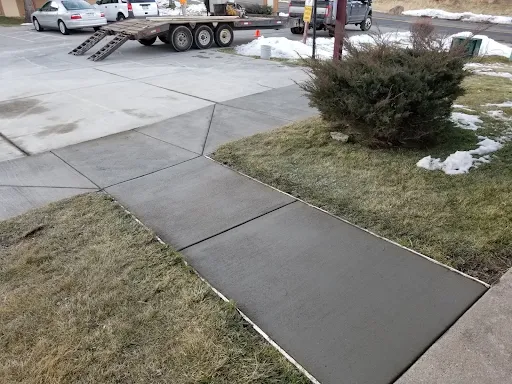
For garages, patios, and entryways, preparation focuses on cleaning, moisture control, and smoothing out imperfections. Clean and stable surfaces are essential for coatings, stains, or polished finishes that homeowners choose for aesthetics and durability.
Commercial and Industrial Spaces
These projects often require higher surface profile standards to ensure coating systems can withstand heavy traffic, machinery, and environmental conditions. Shot blasting and precision grinding are more common here.
The polished concrete market in the United States alone is growing rapidly, with estimates indicating the market was around $450 million in 2024 and projected to grow substantially through the next decade (source).
The ROI of Good Surface Preparation
Spending time on proper surface prep may seem like a cost and effort upfront, but the benefits are long-lasting:
- Fewer repairs and rework.
- Longer life for coatings and finishes.
- Better performance under stress.
- Improved safety and aesthetics.
For example, well-maintained floors that follow best practices and regular maintenance can last two to three times longer than poorly prepared or neglected surfaces.
Comparing Surface Prep to Other Site Prep Services
Here’s how concrete surface preparation stacks up against other common site prep tasks you might encounter in a larger project:
| Task | Purpose | When It’s Needed |
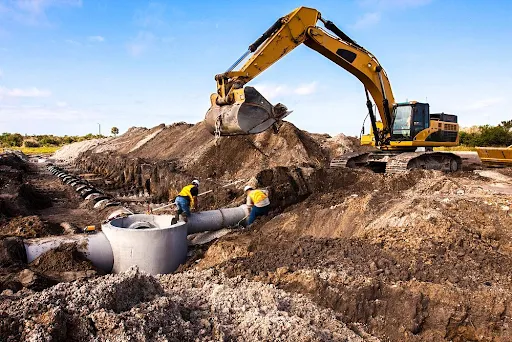
| Excavation | Remove earth to create foundation space | Before slab is poured |
| Grading and Fine Grading | Level site and control drainage | Before concrete installation |
| Surface Preparation | Ready existing slab for coating or overlay | Before finishing treatments |
| Power Washing | Clean surfaces | Preliminary step before deeper prep |
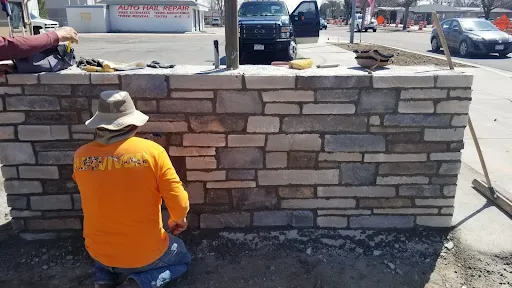
| Masonry Work | Construct walls or structural elements | Before final finishes |
While excavation, grading, and masonry lay the groundwork for strong structures, surface preparation makes sure the surface is truly ready for whatever finishing touches you choose.
How the Right Team Helps You Get It Done Right
When you want dependable results, working with the right local team makes all the difference. Concrete and Excavating Inc. focuses on concrete surface preparation and flatwork that’s built to perform in Denver’s demanding climate. You get skilled concrete flatwork for driveways, walkways, patios, garage floors, and foundations, all completed with attention to durability and long-term performance.
Even with harsh winters and changing soil conditions, Concrete and Excavating Inc. makes sure your project meets local requirements and holds up year after year. Their experience with surface preparation, grading, and finishing helps reduce cracking, peeling, and premature wear.
Frequently Asked Questions
- How long should concrete sit before surface preparation begins?
In most cases, new concrete needs proper curing time before surface preparation starts. This allows the slab to gain strength and helps prevent surface damage during preparation.
- Can surface preparation fix uneven concrete?
Yes, certain preparation techniques can address minor surface irregularities and height differences, especially when paired with patching or leveling methods.
- Is concrete surface preparation only necessary for outdoor areas?
No. Indoor spaces such as garages, basements, and workshops also benefit from proper surface preparation to improve durability and reduce long-term wear.
Final Thoughts
If you want results that truly last, then concrete surface preparation should never be skipped. When you take the time to prepare the surface properly, your concrete performs better, looks cleaner, and stands up to Denver’s tough weather conditions.
And if you want that level of reliability without guesswork, working with a trusted local team makes all the difference. Concrete and Excavating Inc. helps you get it right from the ground up.
If you’re planning a concrete project and want durable, professional results, then now is the time to reach out and get your surface prepared the right way.