After a strong storm, buildings, fences, and concrete structures can become weak or damaged. Sometimes the damage is difficult to see at first. In this blog, you will learn how hidden structural problems can appear after storms and how safety checks during storm cleanup can help you avoid accidents.
Why Hidden Structural Damage Is Dangerous
When storms happen, they can break buildings, move heavy materials, and weaken structures. However, the damage is not always easy to see.
Firstly, a wall or roof might look safe but may already be weak. If you touch it or move nearby debris, it could suddenly collapse.
Secondly, storms often break concrete, fences, trees, and foundations. These broken pieces can fall or shift while you are cleaning.
Moreover, underground systems like drainage pipes or foundations can also become unstable after heavy rain or flooding.
However, if you know what to check before starting cleanup, you can reduce these risks.
Common Hidden Dangers After a Storm
When you begin cleanup, you may see a lot of mess. But some dangers stay hidden under the surface.
Here are some things you should watch for:
- Cracked concrete slabs or foundations
- Loose walls or leaning structures
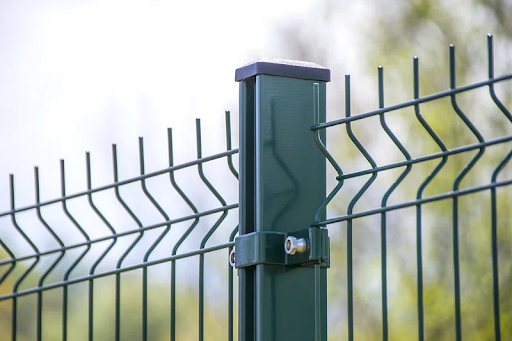
- Broken fencing or support posts
- Sharp metal, nails, or glass in debris
- Water-damaged soil that cannot support weight
These problems may look small, but they can quickly cause serious accidents.
Storm Cleanup Safety Checks You Should Do First
Before touching any debris, it is important to inspect the area carefully. These simple checks can help keep you safe.
Safety Check Table
| Safety Step | What You Should Do | Why It Helps |
| Look around carefully | Check walls, fences, and concrete for cracks | Prevents sudden collapse |
| Check the ground | Look for soft soil or holes | Stops you from slipping or falling |
| Stay away from unstable structures | Avoid leaning buildings or broken foundations | Protects you from falling debris |
| Wear protective gear | Use gloves, boots, and helmets | Prevents injuries |
Doing these checks before starting cleanup helps protect you and the people around you.
Simple Steps to Stay Safe During Cleanup
Cleaning after a storm can feel overwhelming. However, taking small steps makes the process safer.
Inspect the Area
Walk slowly around the damaged property. Look for cracks, leaning structures, or broken concrete. If something looks unsafe, do not touch it.
Clear Small Debris First
Start by removing light materials like branches or loose trash. This makes it easier to see hidden hazards underneath.
Use Proper Tools
Using the right equipment helps you avoid injuries. For example:
- Shovels for dirt and small debris
- Heavy gloves for sharp materials
- Safety boots for protection
Avoid Heavy Structural Debris
Large concrete slabs, foundations, or structural walls should not be moved without professional help.
Work Slowly and Carefully
Storm cleanup should never be rushed. When you move slowly, you have more time to notice dangerous changes around you.
Signs That a Structure May Collapse
Sometimes damage is not obvious. Therefore, you should watch for warning signs.
Here are a few examples:
- Cracks spreading across walls or concrete
- Doors or windows that suddenly cannot close properly
- Leaning fences or retaining walls
- Loose bricks or falling debris
If you notice these signs, it is safer to stop and keep your distance.
Recent Statistics About Storm Damage and Safety
- In 2024, the United States experienced 27 separate billion-dollar weather and climate disasters, causing about $182.7 billion in total damages and at least 568 deaths. These disasters included severe storms, flooding, and hurricanes. (Source)
- In 2023, the U.S. recorded 28 weather disasters that each caused more than $1 billion in damage, with total losses reaching about $92.9 billion and at least 492 fatalities. (Source)
- Severe thunderstorms alone caused around $45 billion in damages in the United States during the first six months of 2024, showing how frequent storms can cause large losses and require extensive cleanup operations. (Source)
- According to the 2024 Natural Hazard Statistics report, tornadoes caused 655 injuries and more than $1.7 billion in property damage in one year in the United States.
Why Professional Equipment Sometimes Becomes Necessary
Storm damage can look simple at first, but some problems are much more dangerous than they appear. However, certain tasks require heavy tools and trained workers to avoid serious accidents during cleanup.
Removing Broken Foundations
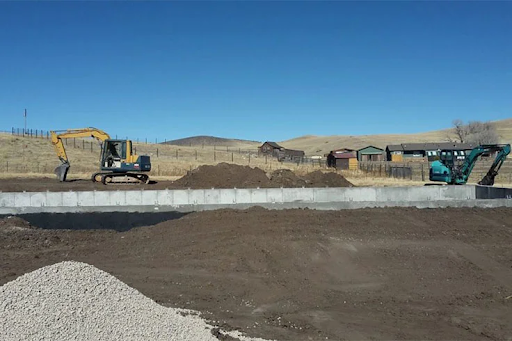
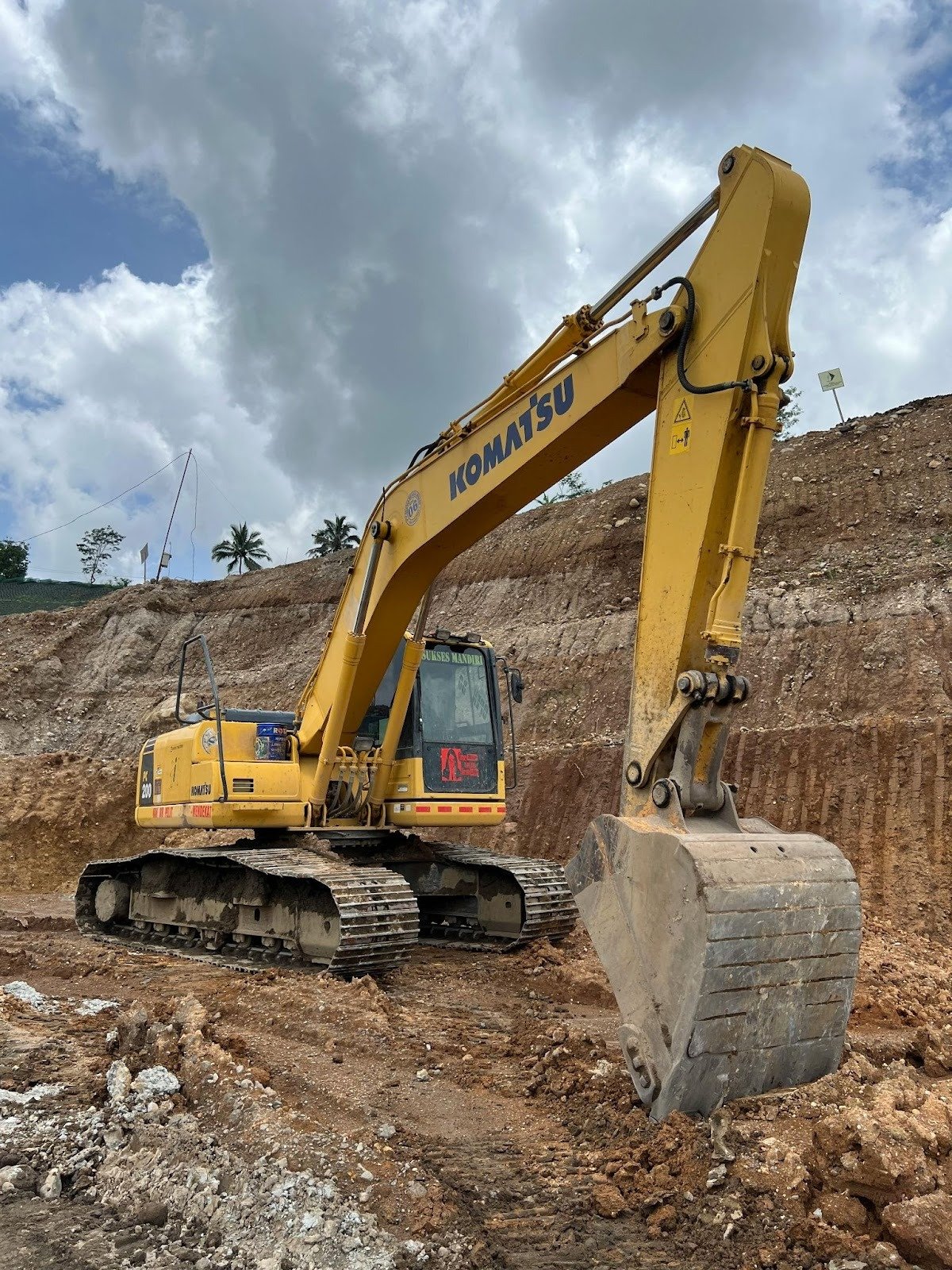
After a storm, concrete foundations can crack, shift, or partially collapse. These heavy materials are difficult and dangerous to move without proper equipment. Professionals usually use excavators and cutting tools to remove damaged foundations safely while preventing further structural damage to the surrounding area.
Handling Large Debris Piles
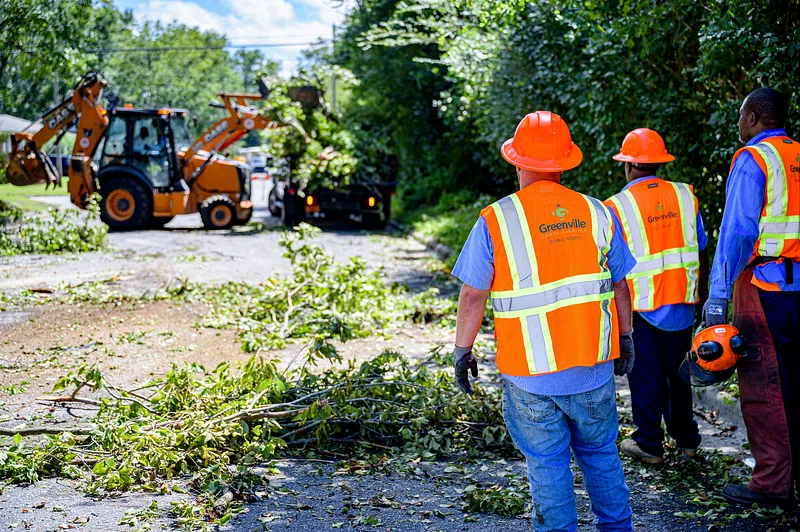
Storms often leave enormous piles of debris made of wood, metal, glass, and concrete. These piles may look stable, but materials underneath can move unexpectedly. Professionals use loaders and excavating machines to remove debris safely.
- Debris piles may hide sharp or unstable materials.
- Machinery allows safe lifting and controlled movement.
- Organized removal reduces the risk of sudden collapse.
Working on Unstable Ground
Floodwater and heavy rain can soften the soil around buildings and concrete structures. This makes the ground weak and unsafe to walk or work on. Professionals use specialized equipment to stabilize the ground and safely remove debris without causing additional collapse or sinking hazards.
Managing Structural Demolition
Sometimes storm damage is so severe that walls, fences, or other structures must be removed completely. This type of demolition requires careful planning and professional tools.
- Damaged structures may collapse without warning.
- Specialized tools allow controlled dismantling.
- Safety procedures protect workers and nearby property.
Protecting Workers and Property
Professional equipment helps reduce many risks during cleanup operations. Trained crews understand how to use machines safely while following safety guidelines. This approach protects both people and surrounding property.
- Safety training helps prevent accidents during heavy work.
- Proper machines reduce physical strain and injury risk.
- Controlled cleanup ensures the area becomes safe again.
What Storm Cleanup Usually Involves
Storm cleanup is not just about removing debris. It often includes several steps.
| Cleanup Stage | What Happens |
| Inspection | Checking structures and foundations |
| Debris Removal | Clearing trees, concrete, and rubble |
| Site Preparation | Making the ground stable again |
| Surface Cleaning | Washing or restoring damaged surfaces |
These steps help return a property to safe conditions.
FAQs
FAQ 1. Why is checking for structural damage important after a storm?
Checking for structural damage is important because storms can weaken walls. foundations, and concrete structures. Early detection of these problems can prevent sudden collapses or serious accidents during the cleanup process.
FAQ 2. What are the most common hidden dangers during storm cleanup?
Some common hidden dangers include cracked foundations, unstable walls, sharp debris, broken concrete, and weak soil caused by flooding. These hazards may not be visible immediately but can become dangerous when you start removing debris.
FAQ 3. When should you call professionals for storm cleanup?
You should call professionals when there are large debris piles, damaged foundations, unstable structures, or heavy materials that require special equipment. Professional teams have the right tools and safety training to handle these dangerous situations safely.
Protect Yourself and Your Property
In the end, storms can leave dangerous hidden damage behind. However, when you follow safety checks, move slowly, and inspect structures carefully, you can greatly reduce the risk of accidents. Practicing storm cleanup safety protects both people and property.If you need professional help with large debris, structural cleanup, excavation, or concrete work after a disaster, Concrete and Excavating Inc. provides reliable solutions for safe site preparation, debris removal, and restoration.