When a building gets damaged, cleanup can feel confusing and stressful. Broken walls, concrete, wood, and debris can make the area unsafe. In this blog, you will learn how damaged structures are carefully taken apart, why cleanup matters, and how deconstruction works in Denver and Loveland, CO, and makes the property cleaner, safer, and ready for the next step.
Why Structural Damage Creates Big Problems
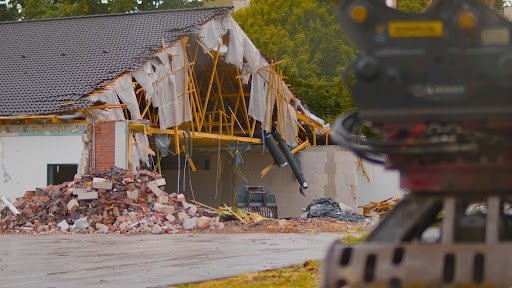
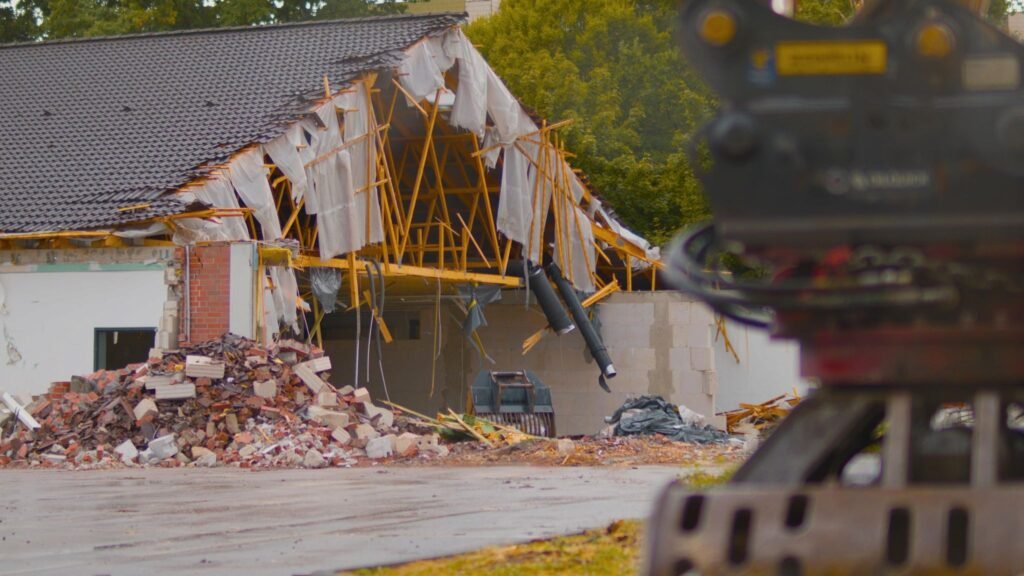
When storms, fires, floods, or old age damage a property, the building may no longer be safe. Pieces of concrete can fall, metal can bend, and wood can break apart. Moreover, sharp materials and dust can hurt people if cleanup is delayed.
You may also face problems like:
- Unsafe walking areas
- Broken utility lines
- Water damage
- Mold growth
- Large piles of debris
- Delays in rebuilding projects
Firstly, removing dangerous materials helps protect people nearby. Secondly, proper cleanup creates space for repairs or rebuilding. Lastly, it makes the property look organized again.
What Is Deconstruction?
Deconstruction means carefully taking apart a damaged structure piece by piece instead of knocking everything down quickly. Workers remove materials in a planned and safe way. This process helps separate reusable items from waste.
For example, wood, bricks, concrete, and metal may be sorted into different piles. Some materials can even be recycled or reused later.
This careful method is different from traditional demolition because it focuses on safety, organization, and reducing unnecessary waste.
How Does Deconstruction Work During Property Cleanup?
Many people ask, “How Does Deconstruction Work when a property is badly damaged?” The process usually starts with a full inspection of the building. Experts check which parts are dangerous and which materials can still be handled safely.
1. Property Inspection and Safety Checks
Firstly, workers inspect the damaged property carefully before starting cleanup. They look for cracked walls, unstable concrete, broken pipes, and dangerous debris. This step helps create a safe cleanup plan and prevents accidents while removing damaged materials from the property.
2. Removing Dangerous Materials
Secondly, hazardous and damaged materials are removed step by step instead of destroying everything at once. Workers carefully handle broken concrete, wood, glass, and metal to reduce dust and keep nearby areas safer during the cleanup process.
Common materials removed include:
- Broken concrete
- Damaged wood
- Roofing pieces
- Metal scraps
- Glass debris
3. Sorting and Organizing Debris
After removal, workers separate materials into different groups. Some items can be recycled, while others must be safely disposed of. Moreover, organized sorting keeps the worksite cleaner and helps speed up the overall property cleanup process for faster rebuilding.
| Material Type | What Happens to It |
| Concrete | Crushed for reuse |
| Metal | Sent for recycling |
| Wood | Removed or reused |
| Glass | Safely disposed |
| Debris | Hauled away |
4. Clearing the Property Completely
Once damaged materials are removed, workers clean the remaining dust, dirt, and smaller debris from the site. This makes the property safer to walk on and prepares the land for future repairs, rebuilding, excavation, or construction work without extra delays.
5. Preparing the Site for Future Use
Lastly, the property is leveled and cleared to make future projects easier. Clean and organized land helps construction teams work more efficiently. Moreover, proper site preparation improves safety, accessibility, and planning for the next stage of the project.
6. Simple Deconstruction Process
After that, workers begin removing damaged sections step by step.
| Step | What Happens |
| Inspection | Experts check the damaged structure carefully |
| Planning | A safe cleanup plan is created |
| Material Removal | Damaged walls, wood, and concrete are removed |
| Sorting | Materials are separated for disposal or recycling |
| Site Cleanup | Remaining debris and dust are cleared away |
| Land Preparation | The area becomes ready for rebuilding |
Moreover, workers often use special equipment to safely lift heavy materials. However, careful manual work is also important because some areas need extra attention.
Common Materials Removed During Deconstruction
- Concrete Slabs: Workers remove broken concrete slabs carefully because damaged concrete can create unsafe walking areas and make future construction or property repairs more difficult.
- Wood Beams: Damaged wood beams are removed to prevent collapse risks, pest problems, and unsafe conditions inside weakened residential or commercial structures during cleanup projects.
- Drywall: Cracked or water-damaged drywall is removed because it may contain mold, moisture, or weakened materials that can affect indoor safety and air quality.
- Roofing Materials: Old roofing shingles, tiles, and damaged roof sections are cleared away to stop falling debris and prepare the structure for rebuilding work.
- Metal Pipes: Bent or damaged metal pipes are safely removed because they may leak, rust, or interfere with excavation and property restoration activities later.
- Glass Pieces: Broken windows and shattered glass are carefully collected to reduce injury risks and keep the cleanup area safer for workers and property owners.
- Flooring Materials: Damaged flooring materials, such as tiles, carpet, or wood planks, are removed to expose stable surfaces and support future repair work properly.
- Damaged Insulation: Old or damaged insulation is taken out because it may contain moisture, dust, or harmful particles that affect building safety and cleanliness.
How Workers Stay Safe During Cleanup
Safety is one of the biggest parts of deconstruction. Workers use helmets, gloves, masks, and heavy equipment to protect themselves.
Important Safety Steps
- Checking unstable walls before removal
- Turning off the water and electricity
- Using protective gear
- Removing hazardous materials carefully
- Keeping the worksite organized
Moreover, safety rules help prevent accidents during cleanup projects.
Environmental Benefits of Deconstruction
Deconstruction not only helps people but also helps the environment.
| Benefit | Why It Matters |
| Recycling Materials | Reduces landfill waste |
| Less Dust | Improves air quality |
| Reusing Concrete | Saves raw materials |
| Organized Cleanup | Prevents pollution |
| Material Separation | Helps recycling centers process waste |
Therefore, this method supports cleaner communities and better waste management.
Recent Statistics About Deconstruction and Property Cleanup
- The U.S. Environmental Protection Agency (EPA) reports that the United States generated over 600 million tons of construction and demolition debris in recent reporting data, showing how important proper cleanup and material management have become.
- According to the Ireland Environmental Protection Agency, construction and demolition waste reached 9 million tonnes in 2023, with concrete, brick, tile, and gypsum making up large portions of the total waste generated. (Source)
- The U.S. EPA Sustainable Materials Management Report explains that construction and demolition materials include debris from buildings, roads, bridges, renovation projects, and deconstruction activities, highlighting the growing need for recycling and organized cleanup systems.
- EPA material studies show that concrete and mixed rubble make up nearly 40–50% of demolition debris, while wood materials account for approximately 20–30% of the waste found during structural cleanup projects.
These statistics show why safe deconstruction, debris removal, recycling, and organized property cleanup are becoming more important for protecting people, reducing waste, and preparing sites for future construction projects.
Restore Your Property Safely With the Help of Concrete & Excavating Inc.
When structural damage leaves your property unsafe and filled with debris, you need experienced professionals to handle the cleanup carefully. Concrete & Excavating Inc. helps with deconstruction, demolition, excavation, land clearing, and site preparation services.
Our team focuses on safe material removal, organized cleanup, and preparing properties for future construction projects. Moreover, we work efficiently to reduce delays, improve safety, and create cleaner spaces for residential and commercial property owners after damage or demolition work.
FAQs
1. What is the difference between demolition and deconstruction?
Demolition usually destroys a structure quickly using heavy equipment, while deconstruction carefully removes materials piece by piece. Deconstruction helps reduce waste, improve safety, and allows some materials to be recycled or reused during property cleanup projects.
2. How long does property deconstruction usually take?
The time depends on the size of the building, the amount of damage, and the cleanup requirements. Small projects may take a few days, while larger residential or commercial structures can take several weeks to complete safely.
3. Why is professional property cleanup important after structural damage?
Professional cleanup helps remove dangerous debris, unstable materials, and hidden hazards safely. Moreover, organized cleanup prepares the property for rebuilding, excavation, repairs, or future construction work while reducing risks for nearby people and structures.
Final Thoughts on Safe Property Cleanup
Understanding How Deconstruction Works in Denver and Loveland, CO, can help you see why careful structural cleanup matters after property damage. Proper deconstruction improves safety, reduces waste, and helps prepare land for future use.
If you need professional support for demolition, excavation, land clearing, or property cleanup projects, Concrete & Excavation Inc. provides services designed to handle challenging site preparation and structural removal work safely and efficiently.