A small line in your basement wall might not look like a big deal at first. Many homeowners notice a crack in a concrete foundation and assume it is just part of a house settling over time.
In some cases, that is true. But in a place like Denver and the wider Front Range region, foundation cracks can reveal much more about soil movement, moisture levels, and long-term structural health.
If you own a home or manage a property in this area, understanding what causes these cracks and when to act can save you thousands of dollars and a lot of stress.
Why Foundation Cracks Are So Common in Denver
Colorado’s Front Range has unique soil conditions that play a major role in foundation issues. The region is known for expansive clay soils, which expand when wet and shrink when dry. This constant movement puts pressure on concrete foundations.
According to data from the Colorado Geological Survey, expansive soils are responsible for more property damage in the United States than floods, earthquakes, and hurricanes combined in some years (source). This makes foundation awareness especially important for homeowners in Denver, Loveland, and surrounding areas.
Key Factors That Cause Foundation Cracks
| Cause | What Happens | Impact on Foundation |
| Expansive soil | Soil swells and shrinks with moisture changes | Causes shifting and cracking |
| Freeze-thaw cycles | Water freezes and expands in winter | Widens existing cracks |
| Poor drainage | Water pools around the foundation | Weakens concrete over time |
| Improper grading | Sloped land directs water toward the house | Increases pressure on walls |
| Construction settling | New homes naturally settle | Creates minor cracks early on |
These factors often work together, which is why even newer homes can develop a crack in their concrete foundation within a few years.
Types of Foundation Cracks You Might See
Not all cracks are created equal. Some are cosmetic, while others can signal serious structural concerns.
1. Hairline Cracks
These are thin, shallow cracks that usually appear as concrete cures or settles. They are common and often harmless.
2. Vertical Cracks
Vertical cracks typically run up and down walls. They are often caused by normal settling and are less concerning if they remain small.
3. Horizontal Cracks
Horizontal cracks are more serious. They often indicate pressure from soil pushing against the foundation walls. This issue can lead to bowing or structural instability.
4. Stair-Step Cracks
These cracks follow the mortar lines in block foundations. They usually suggest uneven settling or shifting soil.
5. Wide or Growing Cracks
If a crack is wider than a quarter inch or continues to grow, it should be evaluated quickly. This often points to ongoing movement.
When Should You Worry?
A crack in a concrete foundation does not always mean immediate danger, but certain signs should not be ignored.
Look out for:
- Cracks wider than a quarter inch
- Water seeping through the crack
- Uneven floors or doors that stick
- Visible bowing in walls
- Cracks that grow over time
Homes in the United States experience some form of structural distress during their lifetime. Many of these issues begin with small, unnoticed cracks.
Prevention Starts with Proper Site Preparation
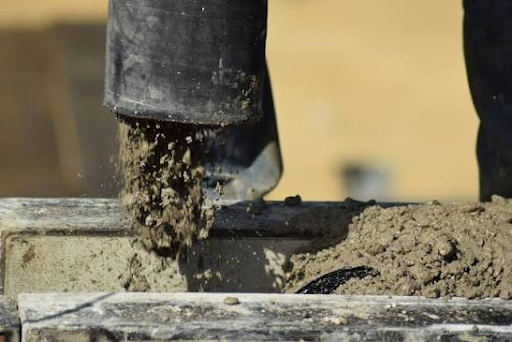
One of the most overlooked aspects of foundation health is what happens before the concrete is even poured.
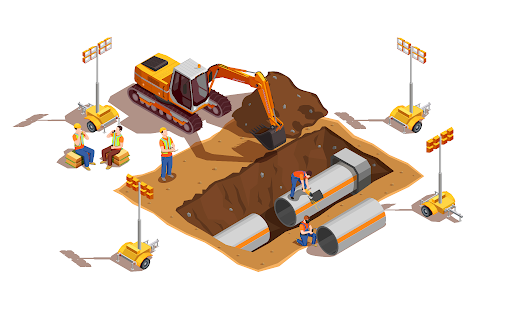
The Role of Excavation and Grading
Proper excavation and grading ensure that the soil beneath and around your foundation is stable and drains correctly.
- Excavation removes unstable soil layers
- Fine grading creates a slope that directs water away from the home
- Compaction ensures a solid base for concrete
Without these steps, even the best concrete mix can fail over time.
Why Denver Homes Need Specialized Concrete Solutions
Denver’s climate and soil require more than a one-size-fits-all approach. A local team understands how to handle the following:
- Seasonal moisture swings
- Soil expansion patterns
- Local building codes and safety requirements
This is especially important for both residential and commercial projects where long-term durability matters.
Repair vs Replacement: What Is the Right Move?
When dealing with a crack in a concrete foundation, homeowners often wonder whether to repair or replace it.
Repair Is Usually Enough When:
- Cracks are small and stable
- There is no structural movement
- Water intrusion is minimal
Replacement May Be Needed When:
- Cracks are widespread
- The foundation is shifting significantly
- Structural integrity is compromised
A professional assessment is the best way to determine the right path.
Modern Repair Techniques That Work
Today’s concrete repair solutions are more advanced than ever. Some common methods include:
- Epoxy injections to seal cracks
- Polyurethane foam for waterproofing
- Carbon fiber reinforcement for added strength
- Drainage system installation to prevent future issues
These methods are designed to extend the life of your foundation without requiring full replacement in numerous instances.
The Bigger Picture: Your Property Value
Foundation health directly impacts property value. A home with unresolved structural issues can lose significant market appeal.
Homes with foundation problems can sell for 10 to 20 percent less than comparable properties in good condition.
Addressing a crack in a concrete foundation early helps protect your investment and keeps your property competitive in the market.
Choosing the Right Concrete Partner in Denver
Not all contractors offer the same level of expertise or service. When dealing with something as important as your foundation, experience matters.
What to Look For
| Feature | Why It Matters |
| Local experience | Understands Denver soil and climate |
| Full-service capabilities | Handles everything from excavation to repair |
| Licensed and insured | Ensures compliance and protection |
| Transparent pricing | Avoids unexpected costs |
| Proven track record | Builds trust and confidence |
Working with a team that offers a wide range of services under one roof can simplify your project and ensure consistency from start to finish.
Beyond Foundations: Comprehensive Concrete Services
Foundation repair is just one piece of the puzzle. Many property issues connect to other site conditions.
Services that support long-term stability include:
- Concrete foundation installation and repair
- Excavating services for proper site preparation
- Grading and fine grading for drainage control
- Flatwork services such as driveways, sidewalks, and patios
- Masonry services for structural and aesthetic improvements
- Power washing to maintain concrete surfaces
- Fencing services for property enhancement
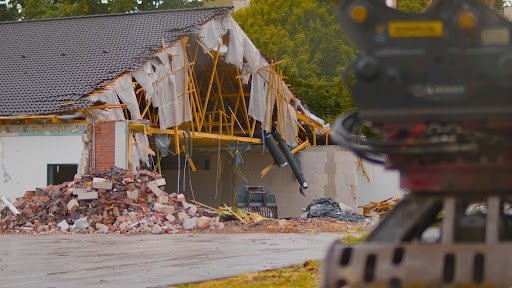
- Home deconstruction for safe site redevelopment
When you have access to all these services in one place, you can handle your project efficiently and professionally.
A Local Approach That Makes a Difference
Homeowners and contractors in Denver and Loveland benefit from working with teams that understand the region’s specific challenges.
A locally experienced crew can:
- Identify early warning signs of foundation issues
- Recommend practical, cost-effective solutions
- Complete projects on time with clear communication
- Deliver durable results using high-quality materials
This level of expertise is especially valuable for property owners aged 30 to 60 who are investing in long-term home value and stability.
Taking the Next Step
If you have noticed a crack in the concrete foundation, the best time to act is now. Even small issues can grow quickly under the right conditions.
Getting a professional evaluation gives you clarity and helps you avoid unnecessary expenses down the line.
Whether you need a simple repair, full foundation work, or site preparation services, working with a trusted concrete and construction team in the Denver area ensures your property is in excellent hands.
FAQs
Q1: Can a crack in a concrete foundation affect indoor air quality?
Yes, it can. Cracks may allow moisture to enter, which can lead to mold growth. This issue can impact indoor air quality over time, especially in basements or poorly ventilated areas.
Q2: Do foundation cracks get worse during certain seasons in Denver?
They often do. Cracks can expand during winter due to freeze-thaw cycles and in spring when soil moisture increases, causing the ground to shift.
Q3: Is it safe to buy a home with a foundation crack?
It depends on the severity. Many homes have minor cracks, but it is important to get a professional inspection to understand the extent and repair costs before making a decision.
Final Thoughts
A crack in a concrete foundation is not something homeowners should ignore or guess about. It is a sign that your property may need attention before small issues turn into costly repairs.
For homeowners and property managers across Denver and the Front Range, Concrete and Excavating Inc. offers reliable, straightforward solutions backed by local experience. Their team handles everything from inspection to repair with care and precision.
If you have noticed any foundation concerns, now is the time to act. Reach out today to Concrete and Excavating Inc. and take the first step toward a safer, stronger property.