Poor drainage around your home can slowly damage foundation walls without you noticing at first. When water stays close to the house, soil weakens and erosion begins. This blog explains how drainage affects a concrete block foundation, why grading matters, and how proper solutions help protect your home.
How Drainage Problems Hurt Homes
- Water Pools Near the Foundation
Water that stays near your home’s base creates pressure against the walls. This pressure is called hydrostatic pressure, and it pushes water and soil against your foundation. Over time, this makes the walls crack, bend, or leak.
- Soil Washes Away (Erosion)
Water that moves slowly can wash away the soil that supports your home. When soil disappears, there is nothing solid to hold up the foundation, so parts of your house may start sinking or tilting.
- Cracks Get Worse Over Time
Small cracks in your foundation can start out harmless, but with poor drainage, they can grow larger. Once cracks widen, water can enter inside your basement or crawlspace, causing mold, mildew, and wood damage.
Signs You Have a Drainage Problem
You might notice:
- Puddles or standing water near your house after it rains
- Cracks in basement walls or floors
- Doors or windows that stick or don’t close properly
- Soil gaps or sunken areas near your home’s base
These are early signs that water isn’t going where it should. Catching these early helps you fix the issue before it becomes costly.
Why Grading Matters
Grading means shaping the ground around your house so the soil slopes away from the foundation. When your yard is graded right, water naturally flows away from the house instead of staying near the walls. “A good rule of thumb is that the ground should slope downward at least 6 inches within the first 10 feet away from your home.” (Source)
How a Concrete Block Foundation Helps
A strong foundation plays a big role in protecting your home from water damage and soil movement. When drainage and grading are done correctly, this type of foundation works even better to keep your house safe.
- Provides Strong Structural Support
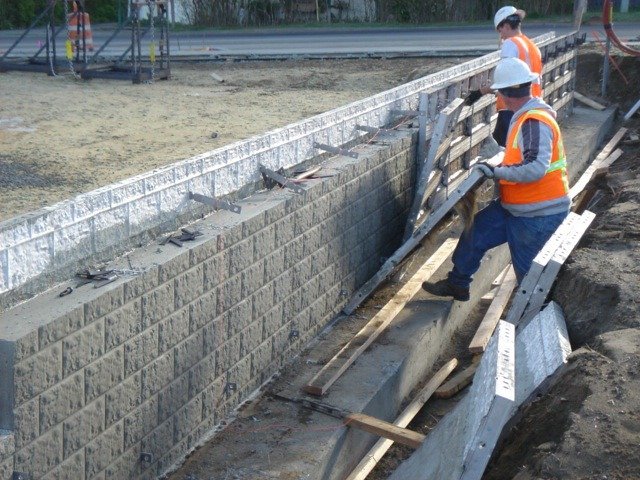
A concrete block foundation gives your home a solid base. The stacked blocks work together to hold heavy weight evenly, helping walls stay upright and reducing stress caused by soil movement or water pressure around your home.
- Resists Moisture with Proper Sealing
When sealed correctly, a concrete block foundation helps slow down moisture entry. This makes it harder for water to pass through the walls, which helps keep basements drier and protects interior spaces from dampness and mold.
- Allows Better Drainage Control
Concrete block foundations work well with drainage systems like grading and drain tiles. These systems move water away from the home, reducing pressure on foundation walls and lowering the risk of cracks caused by trapped moisture.
- Supports Long-Term Stability
Because concrete blocks are durable, they help maintain foundation shape over time. When combined with proper soil grading, this type of foundation adapts better to seasonal soil changes, helping your home stay stable for many years.
Fixing the Problem—How Professionals Protect Your Foundation
Professionals follow a clear, step-by-step process to stop drainage damage and protect your home. Each step focuses on guiding water away and strengthening the ground around your foundation.
- Site Inspection and Drainage Assessment
Experts first inspect your property to see where water collects and how soil behaves after rain. This helps identify weak spots, poor slopes, and hidden moisture paths that may be damaging foundation walls over time.
- Correcting Yard Grading
Professionals reshape the soil so it slopes away from your home. This controlled grading helps rainwater flow naturally away from foundation walls, reducing soil erosion and stopping water from pressing against the structure.
- Improving Water Direction Systems
Gutters, downspouts, and surface channels are adjusted or extended to move water farther from the house. This step ensures rainwater does not drop directly near the foundation and cause long-term moisture buildup.
- Installing Drainage Solutions When Needed
When grading alone isn’t enough, professionals add drainage systems such as French drains. These systems collect excess water underground and redirect it safely away before it can weaken soil support.
- Monitoring and Preventive Maintenance
After repairs, professionals recommend regular checks to ensure drainage paths remain clear. Ongoing maintenance helps you catch small issues early, keeping your foundation stable and protected for the long term.
Drainage, Grading & Foundation Damage—Key Statistics
| Issue | Recent Statistic | Why It Matters | Source |
| Basement & foundation water problems | About 2.8 million homes face water intrusion problems in basements or crawlspaces | Shows water intrusion is a common threat to foundations | InterNACHI |
| Cost impact of water damage | Foundation repairs caused by water can cost $5,000–$25,000 on average | Early drainage fixes save money | HomeLight |
| Importance of grading | Proper grading can reduce foundation water issues by up to 90% | Highlights how effective grading improvements are | Eaglerock |
| Hydrostatic pressure risk | Standing water increases pressure on walls, causing leaks and cracks | Explains how water pushes against foundations | FoundationConcreteRepair |
FAQs
- How does poor drainage affect a concrete block foundation?
Poor drainage causes water to pool near your home, increasing soil erosion and hydrostatic pressure against walls. Over time, this leads to cracks, structural shifts, and potential water damage inside basements or crawlspaces.
- What is the best way to prevent foundation water damage?
The most effective approach is proper yard grading, functional gutters and downspouts, and a solid concrete block foundation. Together, these solutions direct water away from your home, protecting walls, soil, and basement spaces from long-term damage.
- How often should I check my foundation for drainage problems?
Inspect your foundation at least twice a year, particularly after heavy rain or snow. Look for cracks, standing water, and soil erosion to catch early signs of drainage problems and prevent expensive repairs.
How Concrete and Excavating Inc. Helps You Build a Strong, Lasting Foundation
When drainage problems start affecting your home, Concrete and Excavating Inc. helps you with dependable, professional solutions designed for long-term protection. You receive expert grading that moves water away from your foundation, careful excavation that preserves soil strength, and solid foundation work built to last.
Moreover, their experienced team understands how water, soil, and structure interact, so you are guided clearly through each step. You benefit from precise workmanship, modern equipment, and practical solutions focused on durability, helping you feel confident that your home’s foundation remains safe, stable, and well protected for years to come.
Keeping Your Foundation Safe from Water and Erosion
Poor drainage near your home can slowly damage your foundation walls, causing cracks, soil erosion, and water problems inside your house. However, grading the land correctly and using a concrete block foundation with proper drainage systems help keep water away, protect soil support, and prevent costly damage in the long run.
In the end, if you need professional help with grading, foundation work, or site preparation, Concrete and Excavating Inc. provides experienced and reliable service you can trust to protect your home’s base and keep it stable for years to come.Contact Concrete and Excavating Inc. today for dependable grading and foundation solutions you can trust.