You’ve invested time, money, and energy into your construction project, whether it’s a commercial property, apartment complex, school, or residential driveway. But even the best materials and designs can fail if your site isn’t prepared properly.
That’s where fine grading comes in. If you’re asking, “What is fine grading in construction?” or “What is the difference between rough grading and fine grading?”, understanding this step could save you thousands in future repairs, delays, and structural problems.
Why Fine Grading In Construction Matters More Than You Think
Fine grading is no longer optional—it’s a core requirement in modern construction.
“With construction accounting for about 55% of total demand, precision grading has become essential for long-term performance—not just appearance.” (Source)
You’re ready to build—but the land you’re building on is imperfect. Uneven soil. Soft spots. Hidden slopes. Water that doesn’t flow where it should. These aren’t just aesthetic concerns.
Left unchecked, they can lead to:
- Foundation cracks and settling
- Drainage and waterproofing failures
- Soil erosion undermining structures
- Structural damage that shows up years later
- Rework that delays schedules and blows budgets
These problems are avoidable—if the site is prepared correctly from the start.
Rough Grading vs. Fine Grading: Understanding the Difference
Many projects fail because people assume grading is “one step.” In reality, rough grading and fine grading in construction serve very different purposes.
| Aspect | Rough Grading | Fine Grading |
| Purpose | Initial land shaping and site preparation | Final precision shaping for construction readiness |
| Stage in Project | First step in grading | Final grading stage before construction |
| Scope of Work | Moves large volumes of soil | Refines and perfects the surface |
| Precision Level | Low to moderate | High, exact to design specifications |
| Primary Focus | Basic slopes, contours, and drainage paths | Precise elevations, smoothness, and compaction |
| Surface Condition | Uneven and approximate | Smooth, level, and construction-ready |
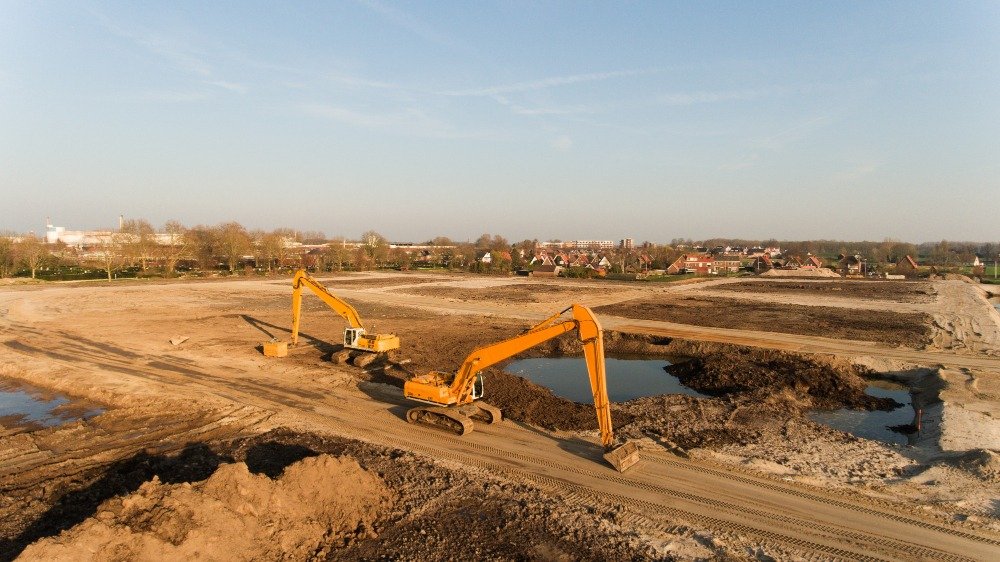
| Equipment Used | Excavators, bulldozers, backhoes | Laser-guided graders, skid steers, precision tools |
| Drainage Control | General water flow direction | Final drainage accuracy and protection |
| Readiness for Construction | Not ready for foundations or paving | Fully ready for concrete, asphalt, and structures |
| Risk if Skipped or Poorly Done | Delays fine grading and increases rework | Structural issues, drainage failure, costly repairs |
Rough grading prepares the site, but it does not make it ready for construction. Without fine grading, even minor errors in slope or soil compaction can lead to major structural problems.
When You Know Your Site Needs Professional Grading
If you see any of these issues, it’s a sign your site may need expert fine grading before construction continues:
- Water pooling near foundations after a rain
- Uneven ground across your build site
- Cracks in driveways, sidewalks, or foundations
- Soil erosion or slippage or flat areas
- Noticeable settling in certain areas
Ignoring these doesn’t make them go away—it makes them more expensive. Proper fine grading often costs far less than rework, structural repair, or even foundation reconstruction months or years later.
Why Fine Grading In Construction Isn’t Optional
- Drainage That Protects, Not Harms
Water is one of the biggest threats to any structure. If your site doesn’t move water away from buildings and pavements, moisture can collect, seep into foundations, and cause mold, cracking, or even flooding over time.
Instead of guessing how water should flow, fine grading shapes precise slopes that guide rainfall and runoff away from structures—protecting your investment before a single wall goes up.
- Structural Stability That Lasts
Imagine building on a surface that’s still settling. Even small shifts in soil can lead to uneven foundations, cracks, and structural stress.
Fine grading not only levels the surface but also compacts the soil and corrects inconsistencies, significantly reducing the risk of future settling. Without it, the probability of foundational issues increases dramatically.
- Erosion Control That Saves You Costs
Poorly graded sites allow soil to wash away during rainfall events, potentially undermining driveways, sidewalks, and landscaping. Grading creates controlled slopes that reduce erosion and keep soil where it belongs.
This saves you money on landscaping repairs and structural reinforcement later.
- Smoother Projects, Fewer Delays
When fine grading is done right, it creates a predictable foundation for the rest of the build. Instead of waiting for rework or corrections, contractors can proceed with paving, foundations, and structures on schedule, reducing delays and keeping costs in check.
How Fine Grading Works
Fine grading may sound straightforward, but it’s a detailed process requiring skill, planning, and the right equipment. Here’s what it typically involves:
- Specialized Equipment
Laser-guided graders, skid steers with grading attachments, and hand tools for smaller areas help achieve precise leveling.
- Detailed Surveys
Before grading begins, surveyors assess the topography and determine necessary elevations and slopes.
- Moisture Control
Proper moisture levels ensure materials compact well, creating a stable and long-lasting surface.
- Layered Approach
Sub-base, base, and topsoil layers are placed and graded carefully for optimal support.
- Regular Checks
Laser levels, GPS systems, or traditional surveying instruments are used to verify accuracy.
- Settling and Adjustments
After initial grading, materials may settle slightly, requiring final touch-ups.
- Collaboration
Fine grading often involves coordination with other contractors, such as landscapers, concrete crews, and utility installers, ensuring everything fits together seamlessly.
FAQs: Fine Grading Construction Services
- What is fine grading in construction?
Fine grading is the final land-preparation step that precisely shapes, levels, and compacts soil to exact design specifications before construction begins.
- What is the difference between rough grading and fine grading?
Rough grading shapes the site broadly, while fine grading refines elevations, slopes, smoothness, and drainage accuracy for construction readiness.
- Why is fine grading critical before pouring concrete or asphalt?
Without fine grading, improper slopes or compaction can cause cracking, water pooling, settlement, and premature surface failure.
- How do I know if my property needs fine grading?
Signs include water pooling, uneven ground, soil erosion, cracks near foundations, or visible settling after rain.
Our Recommendation: Choose Concrete and Excavating Inc. in Dallas, TX
For Dallas projects, Concrete and Excavating Inc. delivers comprehensive fine grading solutions:
- Over 30 Years of Experience: Expert crews handle projects of any size—from driveways to large commercial lots.
- Advanced Technology: GPS system, laser-guided graders, and precision compaction tools.
- Comprehensive services: Site preparation, grading, slope planning, soil testing, drainage, and erosion control.
- Customer-Focused Approach: Every project is executed with strict attention to detail, safety, and efficiency.
Your project deserves a solid start—choose Concrete and Excavating Inc. for professional fine grading in Dallas, TX.
Take Action Today!
Don’t risk uneven surfaces, drainage problems, or structural damage. Protect your investment with expert fine grading services and ensure your Dallas project starts on the right foundation.
Wondering what fine grading is in construction?
Contact Concrete and Excavating Inc. today to schedule a professional site assessment!